Thursday, October 03, 2013

From The Marxist Archives- In Honor Of The 64th Anniversary Year Of The Chinese Revolution of 1949-

Markin comment (repost from 2012):

On a day when we are honoring the 63rd anniversary of the Chinese revolution of 1949 the article posted in this entry and the comment below take on added meaning. In the old days, in the days when I had broken from many of my previously held left social-democratic political views and had begun to embrace Marxism with a distinct tilt toward Trotskyism, I ran into an old revolutionary in Boston who had been deeply involved (although I did not learn the extend of that involvement until later) in the pre-World War II socialist struggles in Eastern Europe. The details of that involvement will not detain us here now but the import of what he had to impart to me about the defense of revolutionary gains has stuck with me until this day. And, moreover, is germane to the subject of this article from the pen of Leon Trotsky -the defense of the Chinese revolution and the later gains of that third revolution (1949) however currently attenuated.

This old comrade, by the circumstances of his life, had escaped that pre-war scene in fascist-wracked Europe and found himself toward the end of the 1930s in New York working with the Trotskyist Socialist Workers Party in the period when that organization was going through intense turmoil over the question of defense of the Soviet Union. In the history of American (and international) Trotskyism this is the famous Max Shachtman-James Burnham led opposition that declared, under one theory or another, that the previously defendable Soviet Union had changed dramatically enough in the course of a few months to be no longer worth defending by revolutionaries.

What struck him from the start about this dispute was the cavalier attitude of the anti-Soviet opposition, especially among the wet-behind-the-ears youth, on the question of that defense and consequently about the role that workers states, healthy, deformed or degenerated, as we use the terms of art in our movement, as part of the greater revolutionary strategy. Needless to say most of those who abandoned defense of the Soviet Union when there was even a smidgeon of a reason to defend it left politics and peddled their wares in academia or business. Or if they remained in politics lovingly embraced the virtues of world imperialism.

That said, the current question of defense of the Chinese Revolution hinges on those same premises that animated that old Socialist Workers Party dispute. And strangely enough (or maybe not so strangely) on the question of whether China is now irrevocably on the capitalist road, or is capitalist already (despite some very un-capitalistic economic developments over the past few years), I find that many of those who oppose that position have that same cavalier attitude the old comrade warned me against back when I was first starting out. There may come a time when we, as we had to with the Soviet Union and other workers states, say that China is no longer a workers state. But today is not that day. In the meantime study the issue, read the posted article, and more importantly, defend the gains of the Chinese Revolution.

*********
Workers Vanguard No. 967
22 October 2010
TROTSKY
LENIN
The Fraud of Bourgeois Democracy
(Quote of the Week)

Writing at the close of World War I, Bolshevik leader V.I. Lenin exposed bourgeois democracy as a cover for brutal exploitation and oppression, a facade to conceal the dictatorship of the bourgeoisie. Lenin’s 1918 work—a continuation of his 1917 classic The State and Revolution—polemicized against apologists for “democratic” bourgeois rule, centrally Karl Kautsky, a leading German Social Democrat who bitterly opposed the 1917 October Revolution and soviet rule (i.e., workers democracy).
If we are not to mock at common sense and history, it is obvious that we cannot speak of “pure democracy” as long as different classes exist; we can only speak of class democracy. (Let us say in parenthesis that “pure democracy” is not only an ignorant phrase, revealing a lack of understanding both of the class struggle and of the nature of the state, but also a thrice-empty phrase, since in communist society democracy will wither away in the process of changing and becoming a habit, but will never be “pure” democracy.)
“Pure democracy” is the mendacious phrase of a liberal who wants to fool the workers. History knows of bourgeois democracy which takes the place of feudalism, and of proletarian democracy which takes the place of bourgeois democracy....
Take the bourgeois parliament. Can it be that the learned Kautsky has never heard that the more highly democracy is developed, the more the bourgeois parliaments are subjected by the stock exchange and the bankers? This does not mean that we must not make use of bourgeois parliament.... But it does mean that only a liberal can forget the historical limitations and conventional nature of the bourgeois parliamentary system as Kautsky does. Even in the most democratic bourgeois state the oppressed people at every step encounter the crying contradiction between the formal equality proclaimed by the “democracy” of the capitalists and the thousands of real limitations and subterfuges which turn the proletarians into wage-slaves. It is precisely this contradiction that is opening the eyes of the people to the rottenness, mendacity and hypocrisy of capitalism. It is this contradiction that the agitators and propagandists of socialism are constantly exposing to the people, in order to prepare them for revolution!
—V.I. Lenin, The Proletarian Revolution and the Renegade Kautsky (1918)
Workers Vanguard No. 967
22 October 2010
TROTSKY
LENIN
The Fraud of Bourgeois Democracy
(Quote of the Week)

Writing at the close of World War I, Bolshevik leader V.I. Lenin exposed bourgeois democracy as a cover for brutal exploitation and oppression, a facade to conceal the dictatorship of the bourgeoisie. Lenin’s 1918 work—a continuation of his 1917 classic The State and Revolution—polemicized against apologists for “democratic” bourgeois rule, centrally Karl Kautsky, a leading German Social Democrat who bitterly opposed the 1917 October Revolution and soviet rule (i.e., workers democracy).
If we are not to mock at common sense and history, it is obvious that we cannot speak of “pure democracy” as long as different classes exist; we can only speak of class democracy. (Let us say in parenthesis that “pure democracy” is not only an ignorant phrase, revealing a lack of understanding both of the class struggle and of the nature of the state, but also a thrice-empty phrase, since in communist society democracy will wither away in the process of changing and becoming a habit, but will never be “pure” democracy.)
“Pure democracy” is the mendacious phrase of a liberal who wants to fool the workers. History knows of bourgeois democracy which takes the place of feudalism, and of proletarian democracy which takes the place of bourgeois democracy....
Take the bourgeois parliament. Can it be that the learned Kautsky has never heard that the more highly democracy is developed, the more the bourgeois parliaments are subjected by the stock exchange and the bankers? This does not mean that we must not make use of bourgeois parliament.... But it does mean that only a liberal can forget the historical limitations and conventional nature of the bourgeois parliamentary system as Kautsky does. Even in the most democratic bourgeois state the oppressed people at every step encounter the crying contradiction between the formal equality proclaimed by the “democracy” of the capitalists and the thousands of real limitations and subterfuges which turn the proletarians into wage-slaves. It is precisely this contradiction that is opening the eyes of the people to the rottenness, mendacity and hypocrisy of capitalism. It is this contradiction that the agitators and propagandists of socialism are constantly exposing to the people, in order to prepare them for revolution!
—V.I. Lenin, The Proletarian Revolution and the Renegade Kautsky (1918)
Workers Vanguard No. 967
22 October 2010
TROTSKY
LENIN
The Fraud of Bourgeois Democracy
(Quote of the Week)

Writing at the close of World War I, Bolshevik leader V.I. Lenin exposed bourgeois democracy as a cover for brutal exploitation and oppression, a facade to conceal the dictatorship of the bourgeoisie. Lenin’s 1918 work—a continuation of his 1917 classic The State and Revolution—polemicized against apologists for “democratic” bourgeois rule, centrally Karl Kautsky, a leading German Social Democrat who bitterly opposed the 1917 October Revolution and soviet rule (i.e., workers democracy).
If we are not to mock at common sense and history, it is obvious that we cannot speak of “pure democracy” as long as different classes exist; we can only speak of class democracy. (Let us say in parenthesis that “pure democracy” is not only an ignorant phrase, revealing a lack of understanding both of the class struggle and of the nature of the state, but also a thrice-empty phrase, since in communist society democracy will wither away in the process of changing and becoming a habit, but will never be “pure” democracy.)
“Pure democracy” is the mendacious phrase of a liberal who wants to fool the workers. History knows of bourgeois democracy which takes the place of feudalism, and of proletarian democracy which takes the place of bourgeois democracy....
Take the bourgeois parliament. Can it be that the learned Kautsky has never heard that the more highly democracy is developed, the more the bourgeois parliaments are subjected by the stock exchange and the bankers? This does not mean that we must not make use of bourgeois parliament.... But it does mean that only a liberal can forget the historical limitations and conventional nature of the bourgeois parliamentary system as Kautsky does. Even in the most democratic bourgeois state the oppressed people at every step encounter the crying contradiction between the formal equality proclaimed by the “democracy” of the capitalists and the thousands of real limitations and subterfuges which turn the proletarians into wage-slaves. It is precisely this contradiction that is opening the eyes of the people to the rottenness, mendacity and hypocrisy of capitalism. It is this contradiction that the agitators and propagandists of socialism are constantly exposing to the people, in order to prepare them for revolution!
—V.I. Lenin, The Proletarian Revolution and the Renegade Kautsky (1918)

Wednesday, October 02, 2013

***In Search Of Lost Time- Short Course…


....with apologies to the great early 20th century modernist French writer Marcel Proust whose most famous (and massive) work I am stealing the title from in this little sketch. Apparently I will steal any literary tidbit, from any source and from any time, just to round out some little word trifle of mine. I had also better explain, and explain right now, before some besotted, hare-brained, blue pencil-at-the-ever-ready school of novel deconstruction devotee, probably tragically childhood’d, post-modern literary-type jumps on me I know, and I know damn well, that an alternative translation for the title of Proust's six -volume work is Remembrances Of Things Past. But isn't this In Search Of Lost Time a better title for the needs of this space. For wondering where it went and why this or that did or did not occur when we had the chance to do something, some big and courageous thing about it, or just do the right thing. In any case I promise not to go on and on about French pastry at teatime (which, by the way, brother Proust did do, for about sixty pages in the volume Swann’s Way, so there is the trade-off, the short course trade off. Okay?).

*********
As I, clumsily, pick up, or try to pick up some precious dirt to rub between my fingers from the oval in front of the old high school, blessed and beatified, not beat beatified but ancient memory beatified, North Adamsville High, on this bedraggled, prickly frigid, knife-like wind- gusting in my face, not fit for man nor beast, kind of a winter’s day as the shortly-setting sun begins it descent into night, I really do wonder what demons, what cast-out-of-the-inner-sanctums-of-hell demons, have driven me here, here to this worn-out patch of an oval, after so many years of statutory neglect. Not legally culpable neglect, maybe, but memory neglect, proper memory neglect.

Moreover, here I stand picking up dirt from an oval that I have not walked on, much less picked up gravel from, in over forty-five years, although I have logged many a mile around a larger version (I believe) of this oval either practicing during track or cross country season, or, and this may jog demographic brethren reader memory, running the 600 yard dash as part of the old time President’s National Physical Fitness Test. Something out of the Eisenhower red scare, cold war be-bop echo night. Yes, I thought mention of that event might bring ring a bell, a bell of anguish for some, as they puffed and chortled their way to the finish line in their tennis shoes, or whatever knee-busting sneakers we wore in those days, in order to be cool. Maybe even Chuck’s, Chuck Taylor’s black of course. Was there any other color? Kind of like today.

In any case, here I stand, and now you know, or have a pretty good idea where I am. What you do not know, at least do not know yet, is that I am not here, rubbing some funky old town dirt through my fingers on a cold winter’s day, just for the joy of it. For raider red oneness, either. Or some such old man’s quirks. Rather, I am here, and you can start calling 911 right now if you like, to evoke, evoke mind you so there is no fooling around about it, the spirit, the long past spirit of days gone by at the high school. The spirit of the time of my time. Probably not since old Tommy Wollaston went looking for a suitable site for his maypole debaucheries, and stumbled onto Merrymount has this town seen such a land grab, in a manner of speaking. See, what I am thinking is that some dirt-rubbing, a little kabala-like, or druid-like, or keltic-like, or Navajo-like, or something-like, dirt-rubbing will give me a jump start on this “voyage”.

I will confess to this much , as this seemingly is a confessional age, or, maybe just as a vestige of that hard-crusted, family history-rooted, novena-saying, stations- of- the- cross walking, ceremonial high mass incense-driven, mortal sin-fearing, you’ll-get-your-reward in-the-next-life-so-don’t-expect-it-here, buster, fatalistic Catholic upbringing long abandoned but etched in, no, embedded in, some far recesses of memory that my returning to North Adamsville High School did not just occur by happenstance. A couple of years before my mother, Doris Margaret Markin (nee Riley), Class of 1943, had passed away.

For a good part of her life my mother lived in locations a mere stone's throw from the school. You could, for example, see the back of the school from my grandparents' house on Young Street. As part of the grieving process, I suppose, I felt a need to come back to North Adamsville. To my, and her, roots. In part, at least, for the feel of roots, but also to figure out, or try to figure out for the 584th time, what went wrong in our old, broken down, couldn't catch a break, working poor, North Adamsville family. As part of that attempted figuring out, as I walked up Main Street from Chestnut Street (the site of the old, woe-begotten, seen better days, ram-shackled homestead still, barely, standing guard above part of the Newport Avenue by-pass) and swung down East Street I passed by, intentionally passed by, the old high school. And here I stand, oval-stuck, dirty-handed, bundled up not to well against the day’s winds, or against the fickle, shifting winds of time either, to tell my tale.

Now I will also confess, but without the long strung-out stuff that I threw in above about my Catholic upbringing, that in figuring out why ill winds blew across my family’s fate I was unsuccessful. Why, after all, should the 584th time bring some sense of enlightenment, or of inner peace, when the other five hundred, more or less, did not do so. What this sojourn did do, however, was rekindle, and rekindle strongly, memories of sittings, without number, on the steps of the high school in the old days, in the high school days, and think about the future, if there was going to be a future.

I tried to write this story, or a part of it, a couple of years ago so a little background is in order so the thing makes some sense to others. That now seemingly benighted story, originally simply titled,A Walk Down “Dream” Street, started life by merely asking an equally simple question posed to fellow classmates in the North Adamsville High School Class of 1964 about whether their high school dreams had come true or not, as least for those who had thought about the issue, on the class website. I had “discovered” the site that year after having been pushed and pulled in ways that drove me back to memories, hard, hard-bitten, hard-aching, hard-longing, mist of time, dream memories, of North schoolboy days and of the need to search for my old high school friend and running mate (literally, in track and cross country, as well as “running” around town doing boy high school things, doing the best we could, or trying to), Bill Bradley. I posed the question this way there:

“Today I am interested in the relationship between our youthful dreams and what actually happened in our lives; our dreams of glory out in the big old world that we did not make, and were not asked about making; of success whether of the pot of gold or less tangible, but just as valuable, goods, or better, ideas; of things or conditions, of himalayas, conquered, physically or mentally; of discoveries made, of self or the whole wide world, great or small. Or, perhaps, of just getting by, just putting one foot in the front of the other two days in a row, of keeping one’s head above water under the impact of young life’s woes, of not sinking down further into the human sink; of smaller, pinched, very pinched, existential dreams but dreams nevertheless. I hope, I fervently hope, that they were the former."

Naturally, the question was posed in its particular form, or so it seemed natural at the time for me to pose it that way, because those old, “real”, august, imposing, institutionally imposing, grey granite-quarried (from the Granite City, natch) main entrance steps (in those days serious steps, two steps at a time steps, especially if you missed first bell, flanked by globular orbs and, like some medieval church, gargoyle-like columns up to the second floor, hence “real”) is a place where Bill and I spent a lot of our time, talking of this and that.

Especially in summer night time: hot, sultry, sweaty, steam-drained, no money in pockets, no car to explore the great American teenage night; the be-bop, doo-wop, do doo do doo ,ding dong daddy, real gone daddy, rockin’ daddy, max daddy, let it be me, the night time is the right time, car window-fogged, honk if you love jesus (or whatever activity produced those incessant honks in ignition-turned-off cars), love-tinged, or at least sex-tinged, endless sea, Adamsville Beach night. Do I need to draw you the big picture, I think not.

Or for the faint-hearted, or the merely good, denizens of that great American teenage night a Howard Johnson’s ice cream (make mine cherry vanilla, double scoop, no jimmies, please) or a trip to aAmerican Graffiti-like fast food drive-in, hamburger, hold the onions (just in case today is the night), fries and a frappe (I refuse to describe that taste treat at this far remove, look it up on Wikipedia, or one of those info-sites) Southern Artery night. Lost, all irretrievably lost, and no thousand, thousand (thanks, Sam Coleridge), no, no million later, greater experiences can ever replace that. And, add in, non-dated-up, and no possibility of sweet-smelling, soft, bare shoulder-showing summer sun-dressed (or wintry, bundled up, soft-furred, cashmere-bloused, I would not have been choosy), big-haired (hey, do you expect me to remember the name of the hair styles, too?), ruby red-lipped (see, I got the color right), dated-up in sight. So you can see what that “running around town, doing the best we could” of ours, Bill and me, mainly consisted.

Mostly, we spoke of dreams of the future: small, soft, fluttery, airless, flightless, high school kid-sized, working class-sized, North Adamsville -sized, non-world–beater-sized, no weight dreams really, no, that’s not right, they were weighty enough but only until 18 years old , or maybe 21, weighty. A future driven though, and driven hard, by the need to get out from under, to get away from, to put many miles between us and it, crazy family life (the details of which need not detain us here at all, as I now know, and I have some stories to prove it, that condition was epidemic in the old town then, and probably still is). And also of getting out of one-horse, teen life-stealing, soul-cramping, dream-stealing (small or large take your pick on dream size), even breathe-stealing, North Adamsville. Of getting out into the far reaches, as far as desire and dough would carry, of the great wild, wanderlust, cosmic, American day and night hitch-hike if you have too, shoe leather-beating walking if you must, road (or European road, or wherever, Christ, even Revere in a crunch, but mainly putting some miles between).

We spoke, as well, of other dreams then. I do not remember some of the more personal aspects of the content of Bill's dreams. If you want the “skinny” on Bill’s dreams he’s around, ask him. However, a lot of what Bill and I talked about at the time was how we were going to do in the upcoming cross country and track seasons, girls, the desperate need to get away from the family trap, girls, no money in pockets for girls, cars, no money for cars, girls. (Remember those were the days when future expectations, and anguishes, were expressed in days and months, not years.) Of course we dreamed of being world-class runners, as every runner does. Bill went on to have an outstanding high school career. I, on the other hand, was, giving myself much the best of it, a below average runner. So much for some dreams.

And, maybe, on my part, I also expressed some sketchily-drawn utopian social dreams, some fellaheen justice dreams. Oh, you don’t know that word, "fellaheen," perhaps. To have oneness justice for the "wanters" of the world; for the “no got”, not the other kind, the greed-driven kind, want; fear-driven, fear to go left or right or to put two feet in front of you want; for the misjudgment-making from having too little of this world's goods want; for all the cramp-spaced in this great big planet want; for the too many people to a room, one disheveled sink, one stinking toilet want: for the bleary-eyed pee-smelled, dawn bus station paper bag holding all your possessions want; for the two and three decker house no space, asphalted, no green between want; for the reduced to looking through rubbish barrels, or worst, want; for the K-Mart, Wal-mart, Adamsville Square Bargain-Center basement outfitted out of fashion, no fashionsista, no way, want,; for the got to have some Woolworth’s five and dime trinket to make a small brightness want; for the lottery, keno, bingo, bango, mega-bongo waiting for the ship to come in pay-out want; for the whiskey soaked, wine-dabbled, or name your poison, want; for the buddy, can you spare a dime want; for the cop hey you, keeping moving you can’t stay here, want; for the cigarette butt strewn pick-up streets want; for fixing, or fixings, to die want; and, for just plain, ordinary, everyday, non-descript want, the want from whence I, and, maybe, you came.

This is the sing-song of the fellaheen, the life-cycle of the fellaheen, the red masque dance of the fellaheen; the dance of the working, or not so working, poor, the day time dance. The dance that I will dance, at least it looks that way, until I draw my last breathe. For the night time, the "takers", stealth thief, jack-roller, pimp daddy, sweet-dark covering abandoned back alley streets, watch out behind you (and in front too), sweated, be-fogged, lumpen fellaheen night, the no justice wanted or given night, you will have to look to the French writers Genet, Celine, or one of those rough boys, the takers have no need of my breathe, or my tears. I have had my say now, and it was worth standing, as the night devours the sun, at this damn wintry oval to say it, alright.
***Out In The Be-Bop 1960s Night- Back From Edge City


A YouTube film clip of the Youngbloods performing the rock classic, Get Together.

Classic Rock : 1969: various artists, Time-Life Music, 1988


Scene: Brought to mind by a the cover art on this CD of a Doors/Youngbloods stripped down, just slightly behind the note, waiting to explode, band getting ready to belt out some serious rock in the heat of the “Generation of ‘68” night once the "high" wears off, a little.

Everybody had a million stories about Captain Crunch (real name, Steven Stein, Columbia Class of 1958). Yah, Captain Crunch the “owner” of the merry prankster, magical mystery tour, yellow brick road bus that you were “on” or “off” from early 1966 to now, the summer of 1969 now. One story, not the story that I am going to tell you but another story, had it that the Captain had gotten the dough for the bus from his "take" in some ghost of Pancho Villa drug deal down Sonora, Mexico way and that when his friend Ken Kesey, the author, outfitted his Further In, the Captain decided to do the same. He named his bus, the one that I am sitting in right now The Sphinx. Nice name, right, just like the Captain, except he was a guy everybody went to, and I mean everybody including me, when you needed to try to figure something out. Like how to figure the universe and your place in it, or how to open a can of beans. Everything except how to run the Sphinx, which was strictly Ramrod Ricks’ job and nobody messed with him when the Sphinx was involved.

Oh yah, and except when the name Mustang Sally came up (real name Susan Sharpe, Michigan, 1959) the Captain’s "main squeeze" girlfriend. Except when she wanted to be squeezed by someone else. Then the Captain saw red, or some hot color but that is not what I want to talk about because almost every guy, including me, has had a blind spot for some woman since about the time old-time Adam and Eve were playing house, maybe before.

So this story is not going to be about dames, or about guys getting hung up hard on them since that is not a subject the Captain handled too well. What he did handle well, and nobody questioned that, was helping you figure your place in the non-girl obsessed universe. And his most famous success, although he might not call it that, was with Jimmy Morse, you know, the lead vocalist for the Blood Brotherhood. And although it didn’t have anything to with girls, women I mean, a woman was involved at the start, Mustang Sally, of course.

Sally had a thing for young musicians so once the Captain organized the bus back in ’66 and Sally was the first who came on board she was always, Captain grinding his teeth, on the look-out for such guys. So down in the desert, the high desert just east of Joshua Tree, she “found” Jimmy living among the rocks with some Indians, some renegade tribal warrior band of Hopis, complete with their own shamanic medicine man.

See, Jimmy knew he had the music down, the beat, the rock beat like a million other guys who came of age with Elvis, Jerry Lee and Chuck in that blazing 1950s be-bop rock night. What he was missing, knew he was missing, knew he wanted to be not missing was that cosmic karma thing that separated you out from some so-so- joe be-bopper. Yah, Jimmy had it bad, star-lust bad. So there he was among the rocks. Sally, and I know this because she told me one night when we talking about past lovers and were cutting up old torches in general, went for Jimmy real quickly. But it was also over really quickly she said, like some fade-out burning ember charcoal thing.

But that is where the Captain took over. The Captain, as much as he hated Sally’s hankerings, was a serious musical guy. Music was hanging over the bus all the time. So while Sally wanted their bodies the Captain wanted their muses, or to be their muses if a guy can be such a thing. So when Jimmy came on the bus, and he stayed for about six months, a time before I got on the bus, the Captain kept pushing him to find his inner spirit. And that inner spirit was found, I guess, through many acid trips. But not just that though. See the Captain kept pushing Jimmy toward that shamanic medicine-man-cure-the-wounded-earth-thing that he had started to get into with the Hopis. So when you see Jimmy whirling dervish, trance-like, evoking strange (strange to us) sounds just remember who “taught” him that.
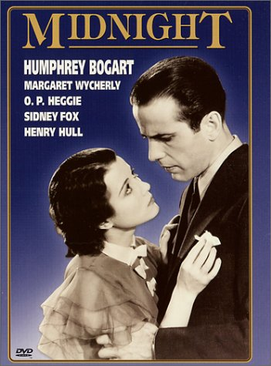
Hoagy Carmichael’s Playing My Blues-Magical Realism 101


A couple of years ago, I guess it was the winter of 2010 after Josh Breslin got back from covering that year’s Democratic election debacle, I came across a half-moth-eaten, mildewy, old dust jacket cover of a Hoagy Carmichael Bluebird label, hence a rag-timey, jazzy, swingy, pre-be-bop, non-be-boppy album that I found in the back hall closet of my old compadre’s hide-away damp and cold log cabin up in wintry snowbound interior Maine on one of my visits. Although Josh, Joshua Lawrence Breslin, for those who have followed his quirky byline in half the radical chic and public vision alternative newsprints like the early pre-gloss, pre-sellout Rolling Stone, The Bard, the old Barb, the early Phoenix, Mother Planet , that kind of thing, around this country over the past forty years, articles mainly found in trendy progressive homes, unread, turning mildewy in their own back hall closets, does not figure in this story the effects of his take-no-prisoners- kind of left-handed writing certainly do and should be quickly and quietly acknowledged here. Done.

The picture on the album cover, or the essence of the picture since some parts were, candidly, not viewable, was classic, maybe late 1930s, early 1940s, Hoagy Carmichael at piano, manically at piano, naturally. On his head, tilted back, back just short of falling off on some whiskey-stained, or maybe better, depending on the night, the place he was holding forth in, and whether and how bad he needed the dough, beer-stained floor was his trademark Stetson-like hat, or in any case a soft hat as they used to call them back when my grandfather worn one. And on his face, his craggy, not beautiful but useful face, a smoldering cigarette, unfiltered of course in those manly days, hanging off, a lip, and like the hat, always almost ready to fall until he breathed some life into it and seemingly like magic placed it upright between those browned tobacco lips. The piano, nondescript from the look of it, but descript in any gin mill in the world, descript that it is no Steinway or any shock harm-able such instrument but rather just good enough to play sudsy, heart-rendering, or jazzed-up show tunes for the hoi polloi as they sink deeper in that glazed haze good night and thoughts of the next day’s hard manual labor.

And Hoagy, sphinx-like, wry-like, sly-like, world-weary, world-wary, and just that nano-second before yellow-jaded. Trying to live down some Tin Pan Alley tune, a cover probably, that every fool kept insisting that he play for the umpteenth time and if he had a gun he would know how to use it and how much to use it. And looking, looking intently out at the crooked door, or what passed for a door, at Café Joey’s. You know Café Joey’s, right? Hoagy’s old winter time tropical paradise, tropical paradise for the swells and other assorted Carib fauna and flora, nightclub down in the lesser Antilles, Port-of-France to be precise. Everybody though he was just the piano player but no he owned the joint, owned it outright or close to it, maybe only a few wise-guy silent partners. In those days Café Joey’s always had a rogue’s gallery clientele of runaway brides-to-be looking for a last fling, decayed debutantes, rundown dentists with failed practices trying to “get well” at the roulette wheel, and half the snub-nosed guys from such winter spots as Cicero, Joliet, and the big town, you name the big town. Plus assorted local drifters, grifters, and midnight shifters just to keep things interesting. In short hold on very tightly to your wallets. From the look on Hoagy’s face the door at that moment looked to produce more of the same.

Then she came in.

All thoughts of Hoagy, his humdrum musical problems, his nefarious business arrangements, and even his existence kind of fled to some darkened forgotten corner recesses once she hit the door. Every man in the room, every red-blooded man if you get my drift, although the other kind found a cozy, no questions asked, just don’t flaunt it, refuge at the cafe and maybe they looked too just to see what they were missing, sharpened his eyes in her direction. So you can say, just like with old Josh Breslin, our boy Hoagy does not figure much from here on in but the story makes no sense without a bow for him. Or without me either.

See I was standing at the bar when she came in. As usual, just drowning my maddened sorrows, listening to Hoagy fighting off the demons in front of him, and within him, with his usual eight or twelve rum sours, or colas, or whatever he used to take some of the bite out of that high-proof island rum. I was sitting at my “reserved” seat, about the fifth guy down the line, give or take a couple of bar-girls in between the guys, when she walked in and drew a bee-line to Hoagy, or what I thought at first was a bee-line to Hoagy anyway. Slim, hell let’s just call her Slim and get it over with although her real name was Marie, or Anne-Marie, something like that. So already you can see, and don’t smirk, that I got nowhere with her, nada, no time, so I will join the line of guys who this story is not about, okay. But I am telling the story so I figure in the mix somewhere.

Ya, She came in. She came in like some tropical breeze, some Jamaica trade-wind breeze, light and airy on the outside, the only side she showed in public you could tell but some smolder underneath if you every got that far, and a few guys had, had got part way anyway, and she had just kind of landed here. Story unknown, parts unknown, islands past unknown, former companions unknown except there was just enough run-down about her, mainly around the eyes, to know that while she was not fugitive, she had had a handle on some pretty unsavory characters. But as she walked down the aisle she blew that past off, that hard past part, like so much lint off her sleeve. Came in like a breeze, like the world wasn’t just a wicked old place after all if it took time to create her or even the possibilities of her. A Jamaica trade-wind breeze just the same.


Like I say she was slim, slender, whatever you want to call a gal who fills out a dress or suit in a subtle way that makes a guy’s temperature rise even if she is not all buxom and twenty-seven curves like most guys like them. Not any Lana Turner, all sultry and no substance, no way, no way in hell, but nothing but pure femme fatale just the same. If you could learn to handle her just right you could, well, let’s just keep describing her and leave that part for later. She had that long brown, brunette I guess you call it, hair, hair that fell over one part of her forehead like the gals wore it just then, and maybe still do, although I don’t keep up with the girlish, or womanish, fashion trends. And those eyes, well, those eyes, and we can leave it at that for a minute too.

Just an ordinary good-looking girl, you say. A dime a dozen, you say. Well, maybe I am not the best guy to describe her, her physical looks, but that’s not what I am getting at. It was the walk, the way she walked not all strutting butterfly swirling stuff, but gracefully, angelically, and with a purposefulness that said loud and clean no inferior guy, no run-of-the mill-guy sitting seersucker suit sweaty in some hothouse rum joint better even look in her direction or maybe be in the same place, palace or joint, as her. And that golden stride was accompanied by this look, this look that I saw her give him, give him many times and made me call for another double-whiskey straight up, no chaser, or maybe just water, every time I saw her do it later. Give it to him only. That way she arched her right eyebrow, with that little glean look in her eye that meant you had it made brother and you had better do something about it, or else. Ya, that’s the look.

That look, and that walk, as it went by me, me with my half-flicked match ready to light that cigarette, that unknown, unfiltered cigarette, which she was now fusing through her pocketbook for as she headed to the depths of this wicked old joint. That look, that walk, and that unfiltered, unlit cigarette as she passed several feet away from me was, moreover, accompanied by some vagrant fragrance I still can’t figure out except it was like I was just swished or splashed by some Eden nectar. And that look, that walk, that smell was accompanied by the sound of silk, some silk slip under her dress that hid those slender thighs, and maddened, middle of the night dream maddened, half the guys in the joint.

But see that look, and the rest of the package, was dead-aimed at this old bent-over sea captain, some guy just off some uncle Neptune voyages who was swilling down whatever was put in front of him just then, looked like some sweet rum, straight up, to me. He still looked pretty sober though although I swear he could not have seen her coming because his head was half-cocked in the other direction when she walked up to him and asked him point blank for a match, and an off-hand drink. Whatever he was drinking, if I heard right. And cool, cool as a cucumber like they say, he flicked a match toward the cigarette, unfiltered in case you forgot, on the edge of her ruby red lips and said “Andy, bring the lady a drink, and be quick about it, ” like he said it everyday, and twice on Sunday. And I am sunk, me and my poor heart.

That grizzled old sea captain, Captain Bogie I found out later was his name, later after all the shooting and commotion was over and they, yes, he and Slim, were long gone to some island safe-haven further up the island chain with their precious human cargo safely tucked below deck, was some kind of hell-bent for leather sea captain of big ships a few years back except he let one get away from him in a storm, a huge perfect wave of a storm from what legend said, and he got blacklisted or whatever they call it when they don’t want you to steer ships, big ships anyway, anymore. And he had settled down to safe seas and rums running a low-rent scene fishing boat out of Port-of-Spain. Dusty, dirty, damp, soggy Port-of-Spain where I had just come from myself a few week before.

Here’s the funny part. I wasn’t so smart about things after all because that whole scene when she walked in and drew a bee-line to Captain Bogie had some history behind it. Ya, Hoagy (and Andy the waiter too) filled me in one night when I, and maybe we, although you could never be too sure about Hoagy because he dismissed dames, good-looking, willing dames too, once the rum ran through their veins, left and right for no good reason, were in our cups and in a mood to talk about the now legendary Captain Bogie, his exploits and his rare find Slim. Slim and Bogie had actually met, although that might be too strong a term, earlier in the day, that afternoon, down at the dock where the Captain has his fishing boat, the Laura or Lauren, something like that, I think it was called. She, as I could sense when she walked into Café Joey’s, was down on her luck. Down enough to start asking guys, stranger guys, but guys still with eyes, for some favors. Her request. She needed to get to Porto del Cortes, or somewhere not Port-of-France, quick.

And the way Hoagy told this part of the story to us Slim was in such a hurry she was willing to return favor for favor in the way any man, any red-blooded man, would appreciate, no questions asked. Our Captain though turned her down flat just for the sake of turning her down right then. Just to see what she was up to. And to see what she would do next. See the other thing I could sense watching old Captain as she had approached his table was maybe he had been water-logged once too many times and maybe had been in one too many sea wrecks but he had been around the block more than once with dames, although maybe not quite so often with one like this slightly soiled but rare dame.

Well, you already know what she did next. And you might as well already know now too that she had her hooks into him bad, if not in that afternoon encounter then by the time he flicked that match to her ruby red lips to light that cigarette that night in dankest Café Joey’s. Yes, he would go through many hoops, maybe take a bullet or two, and gladly, before she was through with him just to be around that walk, that look, and that edenic smell.

What? You want to know about the shooting and commotion part? Hell, I thought you wanted me to skip that. No? Well, I will make it short and sweet because it is a story like a million others in this wicked old wartime world what with things, cruel Nazi things, jumping all over Europe and every place else. But to tell the story, or really the way Hoagy with an assist by Andy to fill in the details told the story, is to step back before that afternoon encounter between Slim and the Captain. And bring some politics into it, hold your nose local politics between, hey, let’s just call them the “ins” and “outs” and be done with it. You’ll get the drift without going into all those sordid details.

See, as I said before Slim was, like many frails femme fatales or not, down on her luck a little when she hit Port-of-France. When she checked in a few days before into the Hotel Falcon with a little light luggage the manager, a supporter of the “ins,” got suspicious and called in his dear friend, the police perfect to check out Slim’s status. Her dough situation. Not only did the police perfect order her out of town when he found she was light on dough but he roughed her up just enough for her to get the message. Now already you should hate the ins, and not just because they are ins but because they are blind and stupid. A woman like Slim is not going to, in this wicked old world, have any problem making her room rent at anytime or in anyplace. Not as long as guys have eyes, or a pulse, or the semblance of a pulse. No, her looks are like finding money on the ground, unless of course Slim decides otherwise. Oh did I say that Slim, beside that walk, look and smell thing liked to call her own shots. That is why, after she checked around, she headed for the Captain’s berth. And called her shots.

You already know about that afternoon and that night, or the public part of it. What you don’t know is that Captain, strictly for cash to keep the rum demons away and the banks from foreclosing on his life-line boat, had been running guns and other chores for the outs. And the ins had an idea that he was doing it. So that next morning Slim and the Captain found themselves front and center down at police headquarters. Not knowing Slim’s newfound relationship with our boy Bogie the dear police prefect starts to rough Slim up again in front of him. Ya, stupid, real stupid. Bogie tried to cut the blows but got blackjacked for his efforts. All this, however, was just a warning on the police perfect’s part and he let them go. But don’t kid yourself this cop is doomed, doomed big time. And soon too.

Bogie then contacted his outs friends with a proposition. He now would take some local bigwig agents that need to get to the United States fast for some dough and safe passage out for Slim. Deal. Everything was going fine until some stoolie, a stoolie who used to hang a couple of seats away from me at Café Joey’s, exposed the plans to our police perfect. So instead of a quick painless getaway the police perfect with his squad show up at the dock, some gunfire plays out, and Captain Bogie takes a bullet in the play. But the ins are now posting for a new police perfect. Hopefully a smarter one. And that was the last anyone saw of the Captain and Slim.

So here I am tonight, twelfth night in a row, still here, maybe the fourth seat in now moving up in seniority at Café Joey’s now that the stoolie is persona non grata, listening to Hoagy playing his signature song, Stardust, while he is sucking up another lip-edged cigarette and another rum cola, keeping the dames at bay, while I sit here thinking, temperature rising, thinking about Slim, and wishing to high heaven that I knew point one about boats instead of selling textiles to old gruff guys sweat-shop laboring the natives to make a few bucks off some cheapjack shirts and dresses. And wishing too I didn’t have that wife and three hungry kids back in the States. And wondering too about Captain Bogie and how a monkey of a guy with a fast fist, a little dead aim, and some fugitive getaway boat had all the luck. Don’t blame Hoagy for my troubles though. Okay.
***Out In The 1950s Crime Noir Night- Humphrey Bogart’s “The Enforcer”


DVD Review

The Enforcer, starring Humphrey Bogart, Everett Sloane, Warner Brothers, 1951


I have been on something of a Humphrey Bogart tear of late. And when I get in the occasional tear mood I tend to grab everything of an author, singer, artist, or actor in sight. And hence this review of a very much lesser known Humphrey Bogart film, The Enforcer. If you are looking for the oddly charismatic Humphrey Bogart of To Have or To Have Not, Casablanca, The Big Sleep or even the lumpen thug, Duke Mantee, of The Petrified Forest then you will be disappointed. Here Bogie goes over to the other side of the law and plays a hard-working, tough (naturally) District Attorney who will stop at nothing to put the bad guys in this quirky police procedural.

Quirky because the film switches between the film's 1950s present and an earlier time in order to figure out why a woman was killed by her gun-for-hire boyfriend. As it turns out what Bogie and his police crew have stumbled into is the film version of Murder, Inc. a real phenomenon of professional killers who kill strictly for the dough, and no regrets. Except, as always, there is a weak link in the chain. That weak link is the that the woman killed by her boyfriend for seemingly no reason allegedly saw the psycho head capo of the murder for hire operation (played by Everett Sloane) kill a guy and he needed to cover it up. Was she the right woman? See the film and see if Bogie can figure things out. Figure the bad guys out as well as Phillip Marlowe or Sam Spade could.
***Not Ready For Prime Time AARP Songs- The Beatles' "When I'm Sixty-Four"-Take Three


YouTube film clip of Joan Baez performing Forever Young by Bob Dylan.

Peter Paul Markin, North Adamsville Class Of 1964 and thus already past sixty-four, comment:
Many of my fellows from the Generation of '68 (a. k. a. baby-boomers) will be, if you can believe this, turning sixty-four this year. So be it.

When I'm Sixty-Four - The Beatles

When I get olded, loosing my hair,
Many years from now
Will you still be sending me the Valentine,
Birthday greetings, bottle of wine

If I stay out till quarter to three
Would you lock the door
Will you still need me, will you still feed me
When I'm sixty-four.

You'll be older too,
And if you say the word I could stay with you.

I could be handy mending a fuse
When your lights have gone
You can knit a sweater by the fireside
Sunday morning go for a ride

Doing the garden, digging the weeds,
Who could ask for more
Will you still need me, will you still feed me
When I'm sixty-four.

Every summer we can rent a cottage in the Isle of Wight,
if it's not too dear
We shall scrimp and save
Grandchildren on your knee
Vera, Chuck & Dave

Send me a postcard, drop me a line
Stating point of view
Indicate precisely what you mean to say
Yours sincerely, wasting away

Give me your answer, fill in a form,
Mine for evermore,
Will you still need me, will you still feed me
When I'm sixty-four.
*******
Ancient dreams, dreamed.
Ya, sometimes, and maybe more than sometimes, a frail, a frill, a twist, a dame, oh hell, let’s cut out the goofy stuff and just call her a woman and be done with it, will tie a guy’s insides up in knots so bad he doesn’t know what is what. Tie up a guy so bad he will go to the chair kind of smiling, okay maybe just half-smiling. Frank (read: future Peter Paul and a million, more or less, other guys) had it bad as a man could have from the minute Ms. Cora walked through the door in her white summer blouse, shorts, and the then de rigueur bandana holding back her hair, also white. She may have been just another blonde, very blonde, frail serving them off the arm in some seaside hash joint but from second one she was nothing but, well nothing but, a femme fatale. I swear, I swear on seven sealed bibles that I yelled, yelled through the womb or some toddler’s crib maybe, at the screen for him to get the hell out of there at that moment. But do you think he would listen, no not our boy. He had to play with fire, and play with it to the end.

Nose flattened cold against the frozen, snow falling front window “the projects” wait on better times, get a leg up, don’t get left behind in the dawning American streets paved with gold dream but for now just hang your hat dwelling, small, too small for three growing boys with hearty appetites and desires to match even then, warm, free-flow oil spigot warm, no hint of madness, or crazes only of sadness, brother kinship sadness, sadness and not understanding of time marching, relentlessly marching as he, that older brother, went off to foreign places, foreign elementary school reading, ‘riting, ‘rithmetic places and, he, the nose flattened against the window brother, is left to ponder his own place in those kind of places, those foreign-sounding places, when his time comes. If he has a time, has the time for the time of his time, in this red scare (but what knows he of red scare only brother scares), cold war, cold nose, dust particles floating aimlessly in the clogging still air night.

A cloudless day, a cloudless blasted eternal, infernal Korean War day, talk of peace, merciless truce peace and uncles coming home in the air, hot, hot end of June day laying, face up on freshly mown grass near fellowship carved-out fields, fields for slides and swings, diamonded baseball, no, friendlier softball fields the houses are too close, of gimps, glues, cooper-plated portraits of wildly-maned horses, of sweet shaded elms, starting, now that he too, that nose-flattened brother, has been to foreign places, strange boxed rooms filled with the wax and wane of learning, simple learning, in the time of his time, to find his own place in the sun but wondering, constantly wondering, what means this, what means that, and why all the changes, slow changes, fast changes, blip changes, but changes.

Nighttime fears, red-flagged Stalin-named fears, red bomb aimed right at my head unnamed shelter blast fears, named, vaguely named, Julius and Ethel Rosenberg hated stalinite jews killed fears, jews killed our catholic lord fears, and what did they do wrong to get the chair anyway fears against the cubed glass glistening flagless flag-pole rattling dark asphalt school yard night. Alone, and, and, alone with fears, and avoidance, clean, clear stand alone avoidance of old times sailors, tars, sailors’ homes AND deaths in barely readable fine- marked granite-grey lonely seaside graveyards looking out on ocean homelands and lost booty. Dead, and the idea of dead, the mystery of dead, and of sea sailor dead on mains, later stream thoughts of bitch proctoresses, some unnamed faraway crush teacher who crossed my path and such, in lonely what did he do wrong anyway prison cells, smoking, reading, writing of dinosaurs die and other laments. Dead.

Endless walks, endless one way sea street water rat-infested fear seawall walks, rocks, shells, ocean water-logged debris strewn every which way, fetid marsh smells, swaying grasses in light breezes to the right, mephitic swamps oozing mud splat stinks to the left making hard the way, the path, the symbolic life path okay, to uptown drug stores, some forgotten chain-name drug store, passing perfumes, lacquers, counter drugs, ailments cured, hurts fixed and all under a dollar, trinkets ten cents baubles, gee-gads, strictly gee-gads, grabbing, two-handed grabbing, heist-stolen valentines, a metaphor in the making, ribbon and bow ruby-red valentine night bushel, signed, hot blood-signed, weary-feet signed, if only she, about five candidates she, later called two blondes, two brunettes, and a red-head, sticks all, no womanly shape to tear a boy-man up, would give a look his way, his look, his newly acquired state of the minute Elvis-imitation look, on endless sea streets, the white-flecked splash inside his head would be quiet. Man emerging out of the ooze, and hope.


Walks, endless waiting bus stop, old late, forever late, story of a young boy’s life late, diesel-fueled, choking fumed non-stop bus stop walks, no golden age car for jet moves in American Dream wide-fin , high tech automatic drive nights, walks, walks up crooked cheap, low-rent, fifty-year no fix rutted pavement streets, deeply gouged, one-lane snow-drift hassles, you get the picture, pass trees are green, coded, secretly coded even fifty street rutted years later, endless trees are green super-secret-coded except for face blush waiting, waiting against boyish infinite time, infinite first blush of innocent manhood, boyhood times, gone now. For what? For one look, one look, and not a quick no-nonsense, no dice look, no time for ragamuffin boys either that would elude him, elude him forever. Such is life in lowly spots, lowly, lowly spots. And no dance, no coded trees are green dance, either, no high school confidential (hell elementary school either, man), handy man, breathless, Jerry Lee freak-out, at least no potato sack stick dance with coded name trees are green brunette. That will come, that will come. But when?

City square, no trespass, no standing, standing, low-slung granite buildings everywhere, granite steps leading to granite doors leading to granite gee-gad counters, hated, no name hated, low-head hated, waiting slyly, standing back on heels, going in furtively, coming out ditto, presto coming out with a gold nugget jewel, no carat, no russkie Sputnik panel glitter for his efforts such is the way of young lumped-up crime, no value, no look, just grab, grab hard, grab fast, grab get yours before the getting is over, or before the dark, dark night comes, the dark pitched-night when the world no longer is young, and dreamed dream make no more sense that this bodily theft.

A bridge too far, an unarched, unsteeled, unspanned, unnerved bridge too far. One speed bicycle boy, dungarees rolled up against dog bites and geared meshes, churning through endless heated, sweated, no handkerchief streets, names, all the parts of ships, names, all the seven seas, names, all the fishes of the seas, names, all the fauna of the sea, names. Twelve-year old hard churned miles to go before sleep, searching for the wombic home, for the old friends, the old drifter, grifter, midnight shifter petty larceny friends, that’s all it was, petty and maybe larceny, hard against the named ships, hard against the named seas, hard against the named fishes, hard against the named fauna, hard against the unnamed angst, hard against those changes that kind of hit one sideways all at once like some mack the knife smack devilish thing

Lindo, lindos, beautiful, beautifuls, not some spanish exotic though, maybe later, just some junior league dream fuss though, some future cheerleader football dame though, some sweated night pasty crust and I, too slip-shot, too, well, just too lonely, too lonesome, too long-toothed before my time to do more than endless walks along endless atlantic streets to summon up the courage to glance, glance right at windows, non-exotic atlantic cheerleader windows. Such is the new decade a-borning, a-borning but not for me, no jack swagger, or bobby goof as they run the table on old tricky dick or some tired imitation of him. Me, I’ll take exotics, or lindos, if they every cross my path, my lonely only path

Sweated dust bowl nights, not the sweated exotic atlantic cheerleader glance nights but something else, something not endless walked about, something done, or with the promise of done, for something inside, for some sense of worth in the this moldy white tee shirt, mildewy white shorts, who knows what diseased sneakers, Chuck Taylor sneakers pushing the red-faced Irish winds, harder, harder around the oval, watch tick in hand, looking, looking I guess for immortality, immortality even then. Later, in bobby darin times or percy faith times, who knows, sitting, sitting high against the lion-guarded pyramid statute front door dream, common dreams, common tokyo dreams, all gone asunder, all gone asunder, on this curious fact, no wind, Irish or otherwise. Stopped short. Who would have figured that one?

Main street walked, main street public telephone booth cheap talk walked searching for some Diana greek goddess wholesale on the atlantic streets. Diana, blonde Diana, cashmere-sweatered, white tennis –shoed Diana, million later Dianas although not with tennis shoes, really gym shoes fit for old ladies to do their rant, their lonely rant against the wind. Seeking, or rather courage-seeking, nickel and dime courage as it turns out; nickel and dime courage when home provided no sanctuary for snuggle-eared delights. Maybe a date, a small-time after school soda split sit at the counter Doc’s drugstore date, or slice of pizza and a coke date at Balducci’s with a few nickels juke boxed in playing our song, our future song, a Hard Rain’s A-Gonna Fall song, and dreams of I Want To Wanted sifting the hot afternoon air, maybe just a swirl at midnight drift, maybe a view of local lore car parked submarine races and mysteries unfurled, ah, to dream, no more than to dream, walking down friendly aisles, arm and arm along with myriad other arm and arm walkers on senior errands. No way, no way and then red-face, alas, red-faced no known even forty years later. Wow.

Multi-colored jacket worn, red and black, black and red, some combination reflecting old time glories, or promises of glory, cigarette, Winston small-filtered, natch, no romantic Bogie tobacco-lipped unfiltered, hanging from off the lip at some jagged angle, a cup of coffee, if coffee was the drink, in hand, a glad hand either way, look right, look left, a gentle nod, a hard stare, a gentle snarl if such a thing is possible beyond the page. Move out the act onto Boston fresh-mown streets. Finally, that one minute, no not fifteen, not fifteen at all, and not necessary of the fame game, local fame, always local fame but fame, and then the abyss on non-fame, non- recognition and no more snarls, gentle or otherwise. A tough life lesson learned, very tough. And not yet twenty.


Drunk, whisky drunk, whisky rotgut whisky drunk, in some bayside, altantic bayside, not childhood atlantic bayside though, no way, no shawlie way, bar. Name, nameless, no legion. Some staggered midnight vista street, legs weak from lack of work, brain weak, push on, push on, find some fellaheen relieve for that unsatisfied bulge, that gnawing at the brain or really at the root of the thing. A topsy-turvy time, murder, death, the death of death, the death of fame, murder, killing murder, and then resolve, wrong resolve and henceforth the only out, war, war to the finish, although who could have known that then. Who could have know that tet, lyndon, bobby, hubert, tricky dick war-circus all hell broke loose thing then, or wanted to.

Shaved-head, close anyway, too close to distinguish that head and ten-thousand, no on hundred-thousand other heads, all shave-headed. I fall down to the earth, spitting mud-flecked red clay, spitting, dust, spitting, spitting out the stars over Alabama that portent no good, no earthy good. Except this-if this is not murder, if this is not to slay, then what is? And the die is cast, not truthfully cast, not pure warrior in the night cast but cast. Wild dreams, senseless wild dreams follow, follow in succession. The days of rage, rage against the light, and then the glimmer of the light.

The great Mandela cries, cries to the high heavens, for revenge against the son’s hurt, now that the son has found his way, a strange way but a way. And a certain swagger comes to his feet in the high heaven black Madonna of a night. No cigarette hanging off the lip now, not Winston filter-tipped seductions, no need, and no rest except the rest of waiting, waiting on the days to pass until the next coming, and the next coming after that. Ah, sweet Mandela, turn for me, turn for me and mine just a little. Free at last but with a very, very sneaking feeling that this is a road less traveled for reason, and not for ancient robert frost to guide you… Just look at blooded Kent State, or better, blooded Jackson State. Christ.

Bloodless bloodied streets, may day tear down the government days, tears, tear-gas exploding, people running this way and that coming out of a half-induced daze, a crazed half-induced daze that mere good- will, mere righteousness would right the wrongs of this wicked old world. But stop. Out of the bloodless fury, out of the miscalculated night a strange bird, no peace dove and no flame-flecked phoenix but a bird, maybe the owl of Minerva comes a better sense that this new world a-bornin’ will take some doing, some serious doing. More serious that some wispy-bearded, pony-tailed beat, beat down, beat around, beat up young stalwart acting in god’s place can even dream of.

Chill chili nights south of the border, endless Kennebunkports, Bar Harbors, Calais’, Monktons, Peggy’s Coves, Charlottetowns, Montreals, Ann Arbors, Neolas, Denvers by moonlight, Boulders echos, Dinosaurs dies, salted lakes, Winnemuccas’ flats, golden-gated bridges, malibus, Joshua Trees, pueblos, embarcaderos, and flies. Enough to last a life-time, thank you. Enough of Bunsen burners, Coleman stoves, wrapped blankets, second-hand sweated army sleeping bags, and minute pegged pup tents too. And enough too of granolas, oatmeals, desiccated stews, oregano weed, mushroomed delights, peyote seeds, and the shamanic ghosts dancing off against apache (no, not helicopters, real injuns) ancient cavern wall. And enough of short-wave radio beam tricky dick slaughters south of the border in deep fall nights. Enough, okay.

He said struggle. He said push back. He said stay with your people. He said it would not be easy. He said you have lost the strand that bound you to your people. He said you must find that strand. He said that strand will lead you away from you acting in god’s place ways. He said look for a sign. He said the sign would be this-when your enemies part ways and let you through then you will enter the golden age. He said it would not be easy. He said it again and again. He said struggle. He said it in 1848, he said it in 1917, he said it in 1973. Whee, an old guy, huh.

Greyhound bus station men’s wash room stinking to high heaven of seven hundred pees, six hundred laved washings, five hundred wayward unnamed, unnamable smells, mainly rank. Out the door, walk the streets, walk the streets until, until noon, until five, until lights out. Plan, plan, plan, plain paper bag in hand holding, well, holding life, plan for the next minute, no, the next ten seconds until the deadly impulses subside. Then look, look hard, for safe harbors, lonely desolate un-peopled bridges, some gerald ford-bored antic newspaper-strewn bench against the clotted hobo night snores. Desolation row, no way home.

A smoky sunless bar, urban style right in the middle of high Harvard civilization, belting out some misty time Hank Williams tune, maybe Cold, Cold Heart from father home times. Order another deadened drink, slightly benny-addled, then in walks a vision. A million time in walks a vision, but in white this time. Signifying? Signifying adventure, dream one-night stands, lost walks in loaded woods, endless stretch beaches, moonless nights, serious caresses, and maybe, just maybe some cosmic connection to wear away the days, the long days ahead. Ya that seems right, right against the oil-beggared time, right.

Lashed against the high end double seawall, bearded, slightly graying against the forlorn time, a vision in white not enough to keep the wolves of time away, the wolves of feckless petty larceny times reappear, reappear with a vengeance against the super-rational night sky and big globs of ancient hurts fester against some unknown enemy, unnamed, or hiding out in a canyon under an assumed name. Then night, the promise of night, a night run up some seawall laden streets, some Grenada night or maybe Lebanon sky boom night, and thoughts of finite, sweet flinty finite haunt his dreams, haunt his sleep. Wrong number, brother. Ya, wrong number, as usual.

White truce flags neatly placed in right pocket. Folded aging arms showing the first signs of wear-down, unfolded. One more time, one more war-weary dastardly fight against Persian gulf oil-driven time, against a bigger opponent, and then the joys of retreat and taking out those white flags again and normalcy. The first round begins. He holds his own, a little wobbly. Second round he runs into a series of upper-cuts that drive him to the floor. Out. Awake later, seven minutes, hours, eons later he takes out the white flags now red with his own blood. He clutches them in his weary hands. The other he said struggle, struggle. Ya, easy for you to say.

Desperately clutching his new white flags, his 9/11 white flags, exchanged years ago for bloodied red ones, white flags proudly worn for a while now, he wipes his brow of the sweat accumulated from the fear he has been living with for the past few months. Now ancient arms folded, hard-folded against the rainless night, raining, he carefully turns right, left, careful of every move as the crowd comes forward. Not a crowd, no, a horde, a beastly horde, and this is no time to stick out with white flags (or red, for that matter). He jumps out of the way, the horde passes brushing him lightly, not aware, not apparently aware of the white flags. Good. What did that other guy say, oh yes, struggle.

One more battle, one more, please one more, one fight against the greed tea party night. He chains himself, well not really chains, but more like ties himself to the black wrought-iron fence in front of the big white house with his white handkerchief. Another guy does the same, except he uses some plastic hand-cuff-like stuff. A couple of women just stand there, hard against that ebony fence, can you believe it, just stand there. More, milling around, disorderly in a way, someone starts om-ing, om-ing out of Allen Ginsberg Howl nights, or at least Jack Kerouac Big Sur splashes. The scene is complete, or almost complete. Now, for once he knows, knows for sure, that it wasn’t Ms. Cora whom he needed to worry about, and that his child dream was a different thing altogether. But who, just a child, could have known that then.

 
***Out In The 1930s Social Film Noir Night- Humphrey Bogart’s “Call It Murder”


Released as Call It Murder 

DVD Review

Call It Murder, starring Humphrey Bogart, Warner Brothers, 1938

I have been on something of a Humphrey Bogart tear of late. And when I get on the occasional tear I tend to grab everything of an author, singer, artist, or actor in sight. And hence this review of very much lesser known Humphrey Bogart film, Call It Murder. If you are looking for the Humphrey Bogart of To Have or Have Not, Casablanca, The Big Sleep or even The Petrified Forest then you will be disappointed. Bogart plays a relatively minor role as, well what else, a second- rate cheap hoodlum whose heading out of town fast, or so that is his plan. So no one should be offended if you pass this one by.

Pass by is what I originally intended to do as well except when I thought about it this film is actually a very good example of the kind of social film critique that was popular and produced during the turbulent and trying 1930s. The subject here is the death penalty, its application, and its basic appropriateness in an evolving progressive society (or that has pretensions to civilization). The plot line centers on a woman who has killed her abusive husband when he was going to run out on her leaving her high and dry. At trial the foreman of the jury, a self-righteous and upright citizen, persuades his fellow jurors that she is guilty of murder one, and hence headed for the electric chair. Since there was no “battered person” defense then she was convicted and sentenced to die.

The dramatic tension of the film comes when that self-righteous juror is bombarded with pleas from all kinds of sources to call for sparing her life. He maintains his stance and she is executed. And here is where Bogie comes in. He has been seeing the juror’s daughter, she has fallen in love with him, and as mentioned before, he is ready to fly to the coop. Naturally she is ready to move might and main to keep him in the coop. Well one thing leads to another as they do with thugs and he is shot to death. She thinks that she has done it in a rage at his leaving. She runs home to dear old dad and tells her story. Hey, she is up for murder one and the chair too, right? No way in the end of course but the old man has to confront, or rather we have to confront, that little moral dilemma when thing hit just a little too close to home.

Good thoughtful social critique on the death penalty, agreed? Yes, although I should note that this film is one of those 1930s Theater Guild productions which tended, as this film, does to be rather heavy-handed and didactic in making its important point. Thus the dialogue, the staging, and the acting are rather stilted for today’s audiences. Still it made that nice social commentary. Just don’t see for the Bogie part, okay.


***The Truthteller-Malcolm X on Racist America


Markin comment:
Read the entries below. Does that first entry sound like a man who was on the same page politically as "DeLawd," Martin Luther King? To pose the question is to give the answer. As close as I was to the King-led movement in those days Malcolm X could still stir me in a way King with all his obvious eloquence could never do. Truth to power-no question.

Malcolm X on Racist America
The text of this telegram to Rockwell, head of the American Nazi Party, was read aloud by Malcolm X at a public rally of the Organization of Afro-American Unitv in Harlem on January 24. 1965.

Public Notice to George Lincoln Rockwell
"This is to warn you that I am no longer held in check from fighting white supremacists by Elijah Muhammad's separatist Black Muslim movement, and that if your present racist agitation against our people there in Alabama causes physical harm to Reverend King or any other black Americans who are only attempting to enjoy their rights as free human beings, that you and your Ku Klux Klan friends will be met with maximum physical retaliation from those of us who are not hand-cuffed by the disarming philosophy of nonviolence, and who believe in asserting our right of self-defense—by any means necessary."

Discussion with American Ambassador in Africa
"He said, 'As long as I'm in Africa, I deal with people as human beings— For some strange reason color doesn't enter into it at all.'

"He said, 'But whenever I return to the United States and I'm talking to a non-white person, I'm conscious of it, I'm self-conscious, I'm aware of the color differences.'

"So I told him, 'What you're telling me, whether you realize it or not, is that it is not basic in you to be a racist, but that society there in America, which you all have created, makes you a racist.' This is true, this is the worst racist society on this earth. There is no country on earth in which you can live and racism be brought out in you— whether you're white or black—more so than this country that poses as a democracy. This is a country where the social, economic, political atmosphere creates a sort of psychological atmos¬phere that makes it almost impossible, if you're in your right mind, to walk down the street with a while person and not be self-concious, or he or she not be self-conscious— But it's the society itself."
*******
From Spartacist- May-June 1964
MALCOLM X

Of all the national Negro leaders in this country, the one who was known uniquely for his militancy, intransigence, and refusal to be the liberals' front-man has been shot down. This new political assassination is another indicator of the rising current of irrationality and individual terrorism which the decay of our society begets. Liberal reaction is predictable, and predictably disgusting. They are, of course, opposed to assassination, and some may even contribute to the fund for the education of Malcolm’s children, but their mourning at the death of the head of world imperialism had a considerably greater ring of sincerity than their regret at the murder of a black militant who wouldn't play their game.

Black Muslims?

The official story is that Black Muslims killed Malcolm. But we should not hasten to accept this to date unproved hypothesis. The New York Police, for example, had good cause to be afraid of Malcolm, and with the vast resources of blackmail and coercion which are at their disposal, they also had ample opportunity, and of course would have little reason to fear exposure were they involved. At the same time, the Muslim theory cannot be discounted out of hand because the Muslims are not a political group, and in substituting religion for science, and color mysticism for rational analysis, they have a world view which would encompass the efficacy and morality of assassination, a man who has a direct pipeline to God can justify anything.

No Program

The main point, however, is not who killed Malcolm, but why could he be killed? In the literal sense, of course, any man can be killed, but why was Malcolm particularly vulnerable? The answer to this question makes of Malcolm's death tragedy of the sharpest kind, and in the literal Greek sense. Liberals and Elijah have tried to make Malcolm a victim of his own (non-existent) doctrines of violence. This is totally wrong and totally hypocritical. Malcolm was the most dynamic national leader to have appeared in America in the last decade. Compared with him the famous Kennedy personality was a flimsy cardboard creation of money, publicity, makeup, and the media. Malcolm had none of these, but a righteous cause and iron character forged by white America in the fire of discrimination, addiction, prison, and incredible calumny. He had a difficult to define but almost tangible attribute called charisma. When you heard Malcolm speak, even when you heard him say things that were wrong and confusing, you wanted to believe. Malcolm could move men deeply. He was the stuff of which mass leaders are made. Commencing-his public life in the context of the apolitical, irrational religiosity and racial mysticism of the Muslim movement, his break toward politicalness and rationality was slow, painful, and terribly incomplete. It is useless to speculate on how far it would have gone had he lived. He had entered prison a burgler, an addict, and a victim. He emerged a Muslim and a free man forever. Elijah Muhammad and the Lost-Found Nation of Islam were thus inextricably bound up with his personal emancipation. In any event, at the time of his death he had not yet developed a clear, explicit, and rational social program. Nor had he led his followers in the kind of transitional struggle necessary, to the creation of a successful mass movement. Lacking such a program, he could not develop cadres based on program. What cadre he had was based on Malcolm X instead. Hated and feared by the power structure, and the focus of the paranoid feelings of his former colleagues, his charisma made him dangerous, and his lack of developed program and cadre made him vulnerable. His death by violence had a high order of probability, as he himself clearly felt.

Heroic and Tragic Figure

The murder of Malcolm, and the disastrous consequences flowing from that murder for Malcolm's organization and black militancy in general, does not mean that the militant black movement can always be decapitated with a shotgun. True, there is an agonizing gap in black leadership today. On the one hand there are the respectable servants of the liberal establishment; men like James Farmer whose contemptible effort to blame Malcolm's murder on "Chinese Communists" will only hasten his eclipse as a leader, and on the other hand the ranks of the militants have yet to produce a man with the leadership potential of Malcolm. But such leadership will eventually be forthcoming. This is a statistical as well as a social certainty. This leadership, building on the experience of others such as Malcolm, and emancipated from his religiosity, will build a movement in which the black masses and their allies can lead the third great American revolution. Then Malcolm X will be remembered by black and white alike ad a heroic and tragic figure* in & dark period of our common history. •


Bay Area Spartacist Committee, 2 March, 1965
Those Who Fought For Our Communist Future Are Kindred Spirits-James P.Cannon 


Peter Paul Markin comment (originally posted -2008):

Every January, as readers of this blog are now, hopefully, familiar with the international communist movement honors the 3 Ls-Lenin, Luxemburg and Liebknecht, fallen leaders of the early 20th century communist movement who died in this month (and whose untimely deaths left a huge, irreplaceable gap in the international leadership of that time). January is thus a time for us to reflect on the roots of our movement and those who brought us along this far. In order to give a fuller measure of honor to our fallen forbears this January, and in future Januarys, this space will honor others who have contributed in some way to the struggle for our communist future. That future classless society, however, will be the true memorial to their sacrifices. This year we pay special honor to1930s American Socialist Workers Party leader James P.Cannon.

Note on inclusion: As in other series on this site (“Labor’s Untold Story”, “Leaders Of The Bolshevik Revolution”, etc.) this year’s honorees do not exhaust the list of every possible communist worthy of the name. Nor, in fact, is the list limited to Bolshevik-style communists. There will be names included from other traditions (like anarchism, social democracy, the Diggers, Levellers, Jacobins, etc.) whose efforts contributed to the international struggle. Also, as was true of previous series this year’s efforts are no more than an introduction to these heroes of the class struggle. Future years will see more detailed information on each entry, particularly about many of the lesser known figures. Better yet, the reader can pick up the ball and run with it if he or she has more knowledge about the particular exploits of some communist militant, or to include a missing one.