Monday, October 09, 2017


In The Age Of A Cold Civil War-Immigrant Or Citizen- Know Your Rights From The ACLU-Short Course
In The Age Of A Cold Civil War-Immigrant Or Citizen- Know Your Rights From The ACLU-Short Course


Comment
In the age of Trump no matter how many generations you and yours have been here in America the beginning of wisdom is to know your rights such as they are and who to contact if they “come in the morning” for you and yours.


On The 60th Anniversary Of Jack Kerouac's "On The Road" (1957-Films To While Away The Class Struggle By- One More Time On The "Beats" -"The Source"
On The 60th Anniversary Of Jack Kerouac's "On The Road" (1957-Films To While Away The Class Struggle By- One More Time On The "Beats" -"The Source"
A "YouTube" film clip of "beat" fixtures, Allen Ginsberg and Neal Cassady.
DVD Review
The Source, Allen Ginsberg, William S. Burroughs, Jack Kerouac, Neal Cassady, Gregory Corso, and a gang of other poets, pranksters, and preachers of the beat in the 1950, 1999
Over the past several months I have, seemingly, grabbed every film documentary about the “beat” literary movement of the 1950s that I could get my hands on. This film, “The Source”, continues that quest. And why am I interested in this movement, essentially a literary movement and not particularly, at least overtly, a consciously political movement that would not seem to fit in with other literary movements that I have given space to here? Well the short answer is that I just like the free verse spontaneous literary styles of Jack Kerouac, Allen Ginsberg, William S. Burroughs and company. More to the point I have been trying, as this documentary and others reviewed in this space have attempted as well, to link the liberating effects of that 1950s scene as forbears of my own generation, the Generation of ’68, a much less literary-inclined generation.
That idea sets one of the parameters of my interest. Another is the question of what of this collective wealth of archival footage, interviews and readings that virtually all the films reviewed have presented gives the best idea of what was going on then for those of us who were really too young (or were not born yet)to appreciate this breathe of fresh air. This effort is one the better ones for two reasons. First, the producers have established clearly who they believe are (as I do) the central players in this drama, the above-mentioned Kerouac, Ginsberg and Burroughs. Of course, the “beat’ scene is not complete without recognizing the role that madman-for-all seasons Neal Cassady, Zen-master poet Gary Snyder, street poet Gregory Corso, Michael McClure, Lawrence Ferlinghetti (if for no other reason that the establishment of the City Lights Bookstore, a central hangout) , and host of other minor poets, hangers-on and crazies played. They are given space here, as well. But without the core literary/philosophical leadership of the three there make not have been such a phenomenon.
Secondly, and more importantly, in recognition of that centrality the producers have given over a fair amount of time for a rather short documentary (about an hour and a half) to extensive readings of Kerouac’s work (by Johnny Depp) , Allen Ginsberg’s ground-breaking and defining “Howl”, and Burroughs “Naked Lunch” (by Dennis Hopper, who else, right?). These readings are important. “Beat” was driven by the sounds of jazz and the blues, among other aural influences so the sounds (and nuances) of the works are more critical than more cerebral efforts. Although to our current ears much of this may sound self-indulgent this was the breakout sound of the “beats”, and to paraphrase Kerouac’s ending to “On The Road”, the sound of the fathers, the fathers that we never knew, Kerouac/Ginsberg/Burroughs.
A "YouTube" film clip of "beat" fixtures, Allen Ginsberg and Neal Cassady.
DVD Review
The Source, Allen Ginsberg, William S. Burroughs, Jack Kerouac, Neal Cassady, Gregory Corso, and a gang of other poets, pranksters, and preachers of the beat in the 1950, 1999
Over the past several months I have, seemingly, grabbed every film documentary about the “beat” literary movement of the 1950s that I could get my hands on. This film, “The Source”, continues that quest. And why am I interested in this movement, essentially a literary movement and not particularly, at least overtly, a consciously political movement that would not seem to fit in with other literary movements that I have given space to here? Well the short answer is that I just like the free verse spontaneous literary styles of Jack Kerouac, Allen Ginsberg, William S. Burroughs and company. More to the point I have been trying, as this documentary and others reviewed in this space have attempted as well, to link the liberating effects of that 1950s scene as forbears of my own generation, the Generation of ’68, a much less literary-inclined generation.
That idea sets one of the parameters of my interest. Another is the question of what of this collective wealth of archival footage, interviews and readings that virtually all the films reviewed have presented gives the best idea of what was going on then for those of us who were really too young (or were not born yet)to appreciate this breathe of fresh air. This effort is one the better ones for two reasons. First, the producers have established clearly who they believe are (as I do) the central players in this drama, the above-mentioned Kerouac, Ginsberg and Burroughs. Of course, the “beat’ scene is not complete without recognizing the role that madman-for-all seasons Neal Cassady, Zen-master poet Gary Snyder, street poet Gregory Corso, Michael McClure, Lawrence Ferlinghetti (if for no other reason that the establishment of the City Lights Bookstore, a central hangout) , and host of other minor poets, hangers-on and crazies played. They are given space here, as well. But without the core literary/philosophical leadership of the three there make not have been such a phenomenon.
Secondly, and more importantly, in recognition of that centrality the producers have given over a fair amount of time for a rather short documentary (about an hour and a half) to extensive readings of Kerouac’s work (by Johnny Depp) , Allen Ginsberg’s ground-breaking and defining “Howl”, and Burroughs “Naked Lunch” (by Dennis Hopper, who else, right?). These readings are important. “Beat” was driven by the sounds of jazz and the blues, among other aural influences so the sounds (and nuances) of the works are more critical than more cerebral efforts. Although to our current ears much of this may sound self-indulgent this was the breakout sound of the “beats”, and to paraphrase Kerouac’s ending to “On The Road”, the sound of the fathers, the fathers that we never knew, Kerouac/Ginsberg/Burroughs.
In Honor Of Jean Bon Kerouac On The 60th Anniversary Of “On The Road” (1957)
In Honor Of Jean Bon Kerouac On The 60th Anniversary Of “On The Road” (1957)
By Book Critic Zack James
To be honest I know about On The Road Jack Kerouac’s epic tale of his generation’s search for something, maybe the truth, maybe just for kicks, for stuff, important stuff that had happened down in the base of society where nobody in authority was looking or some such happening strictly second-hand. His generation’s search looking for a name, found what he, or someone associated with him, maybe the bandit poet Gregory Corso, king of the mean New York streets, mean, very mean indeed in a junkie-hang-out world around Times Square when that place was up to its neck in flea-bit hotels, all-night Joe and Nemo’s and the trail of the “fixer” man on every corner, con men coming out your ass too, called the “beat” generation. (Yes, I know that the actual term “beat” was first used by Kerouac writer friend John Clemmon Holmes in an article in some arcane journal but the “feel” had to have come from a less academic source so I will crown the bandit prince Corso as genesis)
Beat, beat of the jazzed up drum line backing some sax player searching for the high white note, what somebody told me, maybe my oldest brother Alex who was washed clean in the Summer of Love, 1967 but must have known the edges of Jack’s time since he was in high school when real beat exploded on the scene in Jack-filled 1957, they called “blowing to the China seas” out in West Coast jazz and blues circles, that high white note he heard achieved one skinny night by famed sax man Sonny Johns, dead beat, run out on money, women, life, leaving, and this is important no forwarding address for the desolate repo man to hang onto, dread beat, nine to five, 24/7/365 that you will get caught back up in the spire wind up like your freaking staid, stay at home parents, beaten down, ground down like dust puffed away just for being, hell, let’s just call it being, beatified beat like saintly and all Jack’s kid stuff high holy Catholic incense and a story goes with it about a young man caught up in a dream, like there were not ten thousand other religions in the world to feast on- you can take your pick of the meanings, beat time meanings. Hell, join the club they all did, the guys, and it was mostly guys who hung out on the poet princely mean streets of New York, Chi town, Mecca beckoning North Beach in Frisco town cadging twenty-five cents a night flea-bag sleeps (and the fleas were real no time for metaphor down in the bowels where the cowboy junkies drowse in endless sleeps, raggedy winos toothless suck dry the dregs and hipster con men prey on whoever floats down), half stirred left on corner diners’ coffees and groundling cigarette stubs when the Bull Durham ran out).
I was too young to have had anything but a vague passing reference to the thing, to that “beat” thing since I was probably just pulling out of diapers then, maybe a shade bit older but not much. I got my fill, my brim fill later through my oldest brother Alex. Alex, and his crowd, more about that in a minute, but even he was only washed clean by the “beat” experiment at a very low level, mostly through reading the book (need I say the book was On The Road) and having his mandatory two years of living on the road around the time of the Summer of Love, 1967 an event whose 50th anniversary is being commemorated this year as well and so very appropriate to mention since there were a million threads, fibers, connections between “beat” and “hippie” despite dour grandpa Jack’s attempts to trash those connection when the acolytes and bandit hangers-on came calling looking for the “word.” So even Alex and his crowd were really too young to have been washed by the beat wave that crashed the continent toward the end of the 1950s on the wings of Allan Ginsburg’s Howl and Jack’s travel book of a different kind (not found on the AAA, Traveler’s Aid, Youth Hostel brochure circuit if you please although Jack and the crowd, my brother and his crowd later would use such services when up against it in let’s say a place like Winnemucca in the Nevadas or Neola in the heartlands).
Literary stuff for sure but the kind of stuff that moves generations, or I like to think the best parts of those cohorts. These were the creation documents the latter of which would drive Alex west before he finally settled down to his career life as a high-road lawyer (and to my sorrow and anger never looked back which has caused more riffs and bad words than I want to yell about here).
Of course anytime you talk about books and poetry and then add my brother’s Alex name into the mix that automatically brings up memories of another name, the name of the late Peter Paul Markin. Markin, for whom Alex and the rest of the North Adamsville corner boys, Frankie, Jack, Jimmy, Si, Josh (he a separate story from up in Olde Saco, Maine and so only an honorary corner boy after hitching up with the Scribe out on a Russian Hill dope-filled park), Bart, and a few others still alive recently had me put together a tribute book for in connection with that Summer of Love, 1967, their birthright event, just mentioned. Markin was the vanguard guy, the volunteer odd-ball unkempt mad monk seeker, what did Jack call his generation’s such, oh yeah, holy goofs, who got several of them off their asses and out to the West Coast to see what there was to see. To see some stuff that Markin had been speaking of for a number of years before 1967 (and which nobody in the crowd paid any attention to, or dismissed out of hand, what they called “could give a rat’s ass” about in the local jargon which I also inherited in those cold, hungry bleak 1950s cultural days in America) and which can be indirectly attributed to the activities of Jack, Allen Ginsburg, Gregory Corso, that aforementioned bandit poet who ran wild on the mean streets among the hustlers, conmen and whores of the major towns of the continent, William Burroughs, the Harvard-trained junkie and a bunch of other guys who took a very different route for our parents who were of the same generation as them but of a very different world.
But it was above all Jack’s book, Jack’s travel adventure book which had caused a big splash in 1957(after an incredible publishing travail since the story line actually related to events in the late 1940s and which would cause Jack no end of trauma when the kids showed up at his door looking to hitch a ride on the motherlode star, and had ripple effects into the early 1960s and even now certain “hip” kids acknowledge the power of attraction that book had for their own developments, especially that living simple, fast and hard part). Made the young, some of them anyway, like I say I think the best part, have to spend some time thinking through the path of life ahead by hitting the vagrant dusty sweaty road. Maybe not hitchhiking, maybe not going high speed high through the ocean, plains, mountain, desert night but staying unsettled for a while anyway.
Like I said above Alex was out on the road two years and other guys, other corner boys for whatever else you wanted to call them that was their niche back in those days and were recognized as such in the town not always to their benefit, from a few months to a few years. Markin started first back in the spring of 1967 but was interrupted by his fateful induction into the Army and service, if you can call it that, in Vietnam and then several more years upon his return before his untimely and semi-tragic end down some dusty Jack-strewn road in Mexico cocaine deal blues. With maybe this difference from today’s young who are seeking alternative roads away from what is frankly bourgeois society and was when Jack wrote although nobody except commies and pinkos called it that for fear of being tarred with those brushes. Alex, Frankie Riley the acknowledged leader, Jack Callahan and the rest, Markin included, were strictly “from hunger” working class kids who when they hung around Tonio Pizza Parlor were as likely to be thinking up ways to grab money fast any way they could or of getting into some hot chick’s pants any way they could as anything else. Down at the base of society when you don’t have enough of life’s goods or have to struggle too much to get even that little bit “from hunger” takes a big toll on your life. I can testify to that part because Alex was not the only one in the James family to go toe to toe with the law back then when the coppers were just waiting for corner boy capers to explode nay Friday or Saturday night, it was a close thing for all us boys as it had been with Jack when all is said and done. But back then dough and sex after all was what was what for corner boys, maybe now too although you don’t see many guys hanging on forlorn Friday night corners anymore.
What made this tribe different, the Tonio Pizza Parlor corner boys, was mad monk Markin. Markin called by Frankie Riley “Scribe” from the time he came to North Adamsville from across town in junior high school and that stuck all through high school. The name stuck because although Markin was as larcenous and lovesick as the rest of them he was also crazy for books and poetry. Christ according to Alex, Markin was the guy who planned most of the “midnight creeps” they called then. Although nobody in their right minds would have the inept Markin actually execute the plan. That was for smooth as silk Frankie now also like Alex a high-road lawyer to lead. That operational sense was why Frankie was the leader then (and maybe why he was a locally famous lawyer later who you definitely did not want to be on the other side against him). Markin was also the guy who all the girls for some strange reason would confide in and thus was the source of intelligence about who was who in the social pecking order, in other words, who was available, sexually or otherwise. That sexually much more important than otherwise. See Markin always had about ten billion facts running around his head in case anybody, boy or girl, asked him about anything so he was ready to do battle, for or against take your pick.
The books and the poetry is where Jack Kerouac and On The Road come into the corner boy life of the Tonio’s Pizza Parlor life. Markin was something like an antennae for anything that seemed like it might help create a jailbreak, help them get out from under. Later he would be the guy who introduced some of the guys to folk music when that was a big thing. (Alex never bought into that genre, still doesn’t, despite Markin’s desperate pleas for him to check it out. Hated whinny Bob Dylan above all else.) Others too like Kerouac’s friend Allen Ginsburg and his wooly homo poem Howl from 1956 which Markin would read sections out loud from on lowdown dough-less, girl-less Friday nights. And drive the strictly hetero guys crazy when he insisted that they read the poem, read what he called a new breeze was coming down the road. They could, using that term from the times again, have given a rat’s ass about some fucking homo faggot poem from some whacko Jewish guy who belonged in a mental hospital. (That is a direct quote from Frankie Riley at the time via my brother Alex’s memory bank.)
Markin flipped out when he found out that Kerouac had grown up in Lowell, a working class town very much like North Adamsville, and that he had broken out of the mold that had been set for him and gave the world some grand literature and something to spark the imagination of guys down at the base of society like his crowd with little chance of grabbing the brass ring. So Markin force-marched the crowd to read the book, especially putting pressure on my brother who was his closest friend then. Alex read it, read it several times and left the dog- eared copy around which I picked up one day when I was having one of my high school summertime blues. Read it through without stopping almost like Jack wrote the final version of the thing on a damn newspaper scroll in about three weeks. So it was through the Scribe via Alex that I got the Kerouac bug. And now on the 60th anniversary I am passing on the bug to you.
Book Review
Vanity Of Duluoz: An Adventurous Education, 1935-1946, Jack Kerouac, Coward-McCann, New York, 1967
Some of the general points made below have been used in other reviews of books and materials by and about Jack Kerouac.
“As I have explained in another entry in this space in a DVD review of the film documentary “The Life And Times Of Allen Ginsberg”, recently I have been in a “beat” generation literary frame of mind. I think it helps to set the mood for commenting on Jack Kerouac’s lesser work, essentially a fictionalized memoir of his teenage and young adult years, under review here, “Vanity Of Duluoz”, that it all started last summer when I happened to be in Lowell, Massachusetts on some personal business. Although I have more than a few old time connections with that now worn out mill town I had not been there for some time. While walking in the downtown area I found myself crossing a small park adjacent to the site of a well-known mill museum and restored textile factory space. Needless to say, at least for any reader with a sense of literary history, at that park I found some very interesting memorial stones inscribed with excerpts from a number of his better known works dedicated to Lowell’s ‘bad boy’, the “king of the 1950s beat writers”.
And, just as naturally, when one thinks of Kerouac then, “On The Road”, his classic modern physical and literary ‘search’ for the meaning of America for his generation which came of age in post-World War II , readily comes to mind. No so well known, however, is the fact that that famous youthful novel was merely part of a much grander project, an essentially autobiographical exposition by Kerouac in many volumes starting from his birth in 1922, to chart and vividly describe his relationship to the events, great and small, of his times. Those volumes bear the general title “The Legend Of Duluoz”. That is why we today, in the year of the forty anniversary of Kerouac’s death, are under the sign of his last work “Vanity Of Duluoz”.
As mentioned above this ‘novel’ reads more like a thinly, very thinly fictionalized memoir , ostensibly directed toward telling his third wife, Stella, the sister of a long dead boyhood admirer from the old neighborhood in Lowell killed in World War II, about this decisive period in his life for his literary development. This period from 1935 to 1946 spans his high school days, partially detailed in another volume in the series “Maggie Cassidy”, is filled with acts of athletic prowess, some literary disappointments and a general longing to get out of town and ends just prior to the physical and literary “search” for America of “On The Road”. In between we are told about the budding college athletic career gone sour, the breaks, friendly and unfriendly, with his parents, his various ways, civilian and military, of serving in World War II and his stumbling onto a number of characters in wartime New York City who would form the basic of many later novels, and incidentally the core of “the beat generation”.
In many ways this is the least satisfactory of the dozen or so novels in the “Visions” compilation in that it is basically (and consciously) written as a direct narrative of events with a certain hard edge of a writer who has essentially lost his moorings (in 1967 just prior to his death), retired from the world and is feeling sorry about it. Sorry enough to basically rehash the past, a past that while not without conflict, represented his golden youth and the beginning of his serious literary ambitions. Almost jarringly, especially for those of us aficionados who have read most of the other Kerouac works, there is little reflection, not much of that be-bop word play that animated so many of the earlier works, and no little philosophical tidbits to think about. The easiest way to show the lose of literary spark is by comparison- take the early hard-bitten, almost boringly presented chapters here that deal with his high school and early college career and compare with the lyric quality of some of the prose in describing those same events in “Maggie Cassidy”. Has anyone ever written better about the dramatic tensions of a ...Track meet? Case closed.
Note: I have not mentioned this previously but do so here because it is a greater issue. On occasion Kerouac, rather simplistically and ritualistically, railed against Communists and the Communist threat. On more than one occasion I have noted that in dealing with the political pronouncement of great writers and poets, or for that matter not so great writers and poets, that I have always been indulgent. Except when those literary lights take up the political battles. Then all bets are off. Kerouac, with the exception of some bizarre remarks against “hippies” in the 1960s who after all were just following the prescripts of “On The Road”, was not a political person. For the most part the denizens of the “beat” generation were, like Kerouac, apolitical and withdrew in horror from confronting authority, any authority. That was part of their charm, but, eventually, a serious shortcoming. For the part that the “beat” generation played in helping those of us who came later challenge the status quo, thanks. For the part that the “beat” generation played in not leading a “children’s crusade” against bourgeois society, you should have done better by us your offspring.
Channeling The Ghost Of Ti Jean Kerouac- In Honor Of the 60th Anniversary Of The Publication Of “On The Road” (1957)
Channeling The Ghost Of Ti Jean Kerouac- In Honor Of the 60th Anniversary Of The Publication Of “On The Road” (1957)
By Gordon Gleason
Even Phil Larkin could not remember when he first heard the name Jack Kerouac mentioned in his presence. Jack, his muse since early adult days in the late 1960s, was like a book sealed with seven seals in the Larkin household in the early 1960s when Rose Larkin prohibited any talk of atheist rabble commie unwashed beatniks in the house (the latter not the least in the list of Rose sins although atheist in the high holy Roman Catholic Larkin household where Jack apostate had some consideration). So it must have been sometime before that. Maybe name heard on a vagrant television show, The Steve Allen Show, which he sneak watched at midnight hours to see what was what and which Phil in perusing YouTube has noticed that hipster in exile Steve and “king of the beats” Jack bantered around many subjects of mutual interest under the sign of cool ass jazz and word play aficionado-hood. (One such clip of the show showed Jack reading the famous last page of his On The Road where he and Dean Moriarty are searching, endlessly searching, for the father they never just like Phil looked for literary father Jack when the time came among other things but that clip did not ring a bell when he tried to date that first heard name question ringing in his brain one Jack October in the railroad dream night.)
Phil, never much for deep introspection although overloaded with surface introspection like any half-arsed speculator writer (Irish expression check James Joyce if you please), in any case abandoned that endless thought, that father, literary father remember thought, as he tried to place Jack’s name in his head. A thought which was triggered once he read in a small publication magazine that the year 2017 would be the 60th anniversary of the publication of the sensational On The Road which would get many a young man and some young women on the road, on the car highway, bus sweat, freight train hobo, hitchhike thumb road, no question.
He guessed not having any success at pinpointing some exact event or date that the first time would have had to be about 1962 when his old high school friend from his growing up town, the Acre neighborhood of North Adamsville, Peter Paul Markin always known since junior high school as “Scribe” forced all the corner boys to read the damn thing under penalty that he would read it to them on those forlorn Friday and Saturday nights when without money, without a car to flee the burg, without some girl willing to go on a date via public transportation or walking and maybe willing to do the “dutch treat” number (and thus no hope, no fucking hope for testosterone-hammered boys, of coping feels, snatch, blowjobs since any girl who consented under those conditions saw the guy, saw Phil before he became known as Foul-Mouthed Phil which is a whole story for another time since is about father Jack time not Phil schemes for those feels, snatches, blowjobs) they would be huddled against the wall in front of Tonio’s Pizza Parlor. Hoping, endlessly cold-nosed hoping when first starting out in late freshman year that some girl (or girls) would come by and maybe go into Tonio’s and play the jukebox and that would get things started. At worst start the “con,” low con for sure about what songs those chicks played which was an art-form first perfected by shy-boy Scribe as his “come on” to the girls when he was too nervous to sweet baby talk them like any other guy, like Phil when he found out that some girls, some social butterfly girls and not just the school sluts liked to hear what in “polite” society would be considered vulgar language worthy if you were a Catholic boy, a Rose Larkin Catholic boy confession worthy and a hell of a lot of hail marys and acts of contrition.
On those nights when that low slung prospect did not look promising, Jesus were times that bad that some sweet thing come Friday night didn’t at least risk a fucking slice of pizza and iced Coke to at least tempt their fates and keep the Scribe from his altar, say around 10 PM, maybe a little later, which meant that whatever girls were going out had gone out for the night or were down Squaw Rock freely parting with feel, snatches and blowjobs and not just the school sluts either remember those social butterflies, the Scribe would take out his tattered and well-worn copy of the book and start reading. A book which he in high holy Roman Catholic Delores Markin household had to sneak buy over in Harvard Square at some dimly-lit bookstore (a bookstore that a couple of years later would be a place like lemmings to the sea where shy-boy Scribe would find the slightly neurotic, slim, okay skinny, black-attired girls that drove him wild and provide him with those freely given feels, snatches, blowjobs that he longed for in hometown high school).
Before long he would be stopped, usually by the naturally selected leader of this motley crew, Frankie Riley, who threatened murder and mayhem if the Scribe continued. Those guys were no surplus literary bums or wannabe dharma bums of some later Phil dream but hard-nosed corner denizens who were as likely to jack-roll some “faggy” guy, some punk kid or some father/uncle/older brother drunken sot paycheck fresh (and short) from Irish Grille/Dublin Pub/ Johnny Murphy’s and you don’t have to consult Mister James Joyce as look at you. Whatever short-comings the Scribe had in the manly prowess province the long and short of it was that at some point Phil and almost every other guy on the stoop read the book if only to see what the Scribe was talking about or just to keep him quiet on those depressing empty nights.
It took a long time for Phil to realize that what drew the Scribe to Jack Kerouac (the Scribe would always call him Ti Jean once he heard somebody in school who knew French call out John name that way) was that there were many affinities between the way Jack grew up a generation before them in factory-strewn Merrimack River textile heavy from Frenchie/ Irish/ Hungary/Italy Lowell about sixty miles away and working-class ship-building North Adamsville. Knew want and hungry a bit, knew more importantly “wanting habits” which drove a lot of the Scribe’s (and the rest of the Tonio corner boys) baser instincts. Knew that same craving for privacy that never came in cold water flats above vacant stores with mother hectoring and crying out one venial and about seven mortals sins per hour 24/7/365. No room to breathe. Knew that desire to break out from the tedium of what was to be scheduled fate wrapped in a big fat package box unless the break-out came and soon.
(Prelude to Jack breakout aside from vivid memory black and white film Majestic Theater Saturday afternoon haunts and hanging with the boys cool daddy jazz, big swing jazz big bad ass bands led by guys named Duke, Count, Earl, hell, maybe Emperor with some snow white song-bird fronting except when black as coal Billie fronted and blown them snowbirds all away even before the “fixer” man came calling around midnight and later, late 1940s later cool as a cucumber jazz with plenty of variations and riffs, riff to blow that high white note out to the Frisco Bay China seas like happened one night in North Beach by some unknown cat who just blew and blew and maybe is still blowing that one time high white note and is dead ass dead having run himself raged and culled looking for that sequel in some dead night fog horn freighter of the world. Prelude to Tonio boys breakout aside from vivid memory black and white film Strand Theater Saturday afternoon matinees double-features and hanging with the boys hot off the presses big daddy rock and roll music any old way you use it proclaimed by the President, President of rock and roll Chuck Berry that one Mister Mozart and his crew (Bach, Brahms, that Russian guy) that they had best leave town because a new high sheriff was in town to shake, rattle and roll and later when the sniff of Jack dope, tea-head dope turned to modern Moloch chemical madness cloud-covered French curves and swirls acid rock.)
The funny thing about the Scribe’s crazed campaign was that Phil, beside his lack of deep introspection then, was not any kind of bookworm-then (a pejorative term on the Tonio corner which would usually have banned a guy like the Scribe from that place except he had a double-heart, had as well as that literary funk an exceptionally larcenous heart and produced in quality well-thought out plans to grab dough, grab it any way they could although nobody in their right mind would let him carry out those plans that was left to the clever Frankie Riley already mentioned). The funny part was that later, several years later when he was in the Army and confined to the base for disciplinary reasons, he ambled into the base library one afternoon and noticed that On The Road and several other books by Kerouac were on a bookshelf he was perusing looking for something by sci-fi writer Kenneth Koch. And that was that. That was that being he re-read Road and scampered through such Jack works as Dharma Bum and Desolation Angels (and in the end much more than that but check some Jack bibliography and you will have pretty much encompassed what Phil read before the fall).
The Scribe and Jack connection would intersect Phil’s life several times before The Scribe’s early violent death down in Mexico from still unknown and uninvestigated by the Federales causes around a busted drug deal. Probably the most dramatic connection driven by Jack hitchhike road dreams in the late 1940s before Interstate Route 66 car-hopping night had been Phil’s involvement through the Scribe in the westward trek to what has been called the Summer of Love out mainly in San Francisco in 1967 (although some action happened in Monterey at the first Pops Festival but that was before Phil headed out and in Todo el Mundo south of Big Sur when he/they hitched a ride from a moving house of a converted yellow school bus). The Scribe, partially influenced by Jack’s book and partially by his own endless predictions that things were going to go through a sea-change especially among the young in this country and had dropped out of college in Boston his sophomore year to see what was what out west. A couple of months later the Scribe came back and practically force-marched all the corner boys still around to head west as soon as they could. Phil under the Jack spell (and having no money a la Jack most of the time as well and no permission a la Rose Larkin who had a bloody fit when she found out where he was and had Father Lally say about ten prayers for Phil’s already damned soul) hitchhiked out with Frankie Riley in a spasm of high adventure. Phil, not in school, no money, working at some madness Robert Hall men’s clothing store to kill time and make some college-bound dough, at the height of the madness in foreign country Vietnam would only stay out there a couple of months since he received a draft notice in late August to report for a physical in September. But while he was out west he imbibed in all the dope, music, sex and whatnot available that Mother Larkin had railed against citing one John Kerouac, lapsed Catholic sweet cherib big tubby Buddha in his brain now as correspondent. Even went to Jack beat down, beat around beatitude if you want to call it that spots in North Beach like Eddy’s and Big Max’s (where that skinny kid blew the high white note out into the Frisco Bay China seas and never looked back) to see what that earlier cultural scene had been all about.
This year’s (2017) 50th anniversary commemoration of the Summer of Love out again mainly in San Francisco which Phil had not been aware of until Alex James, one of his old corner confederates, had been out there and seen an art exhibition all about the music, fashion, poster art (advertising upcoming concerts in Golden Gate Park, the Avalon, Fillmore and so on) and photography and when he came back to Boston had gathered all the remaining corner boys who had gone out in ’67 together to write their memoirs for a small Scribe tribute book had sparked some remembrances beyond that event. Got him thinking about how much Jack Kerouac, his dog-ear short life (Kerouac had died at 47), had influenced him. How episodes in Jack’s life had some meaning. One night Phil was sitting with Alex in Jimmy’s Irish Pub in downtown Adamsville (an old haunt of theirs where the drinks were cheap for no money boys when they came of drinking age just like their fathers, uncles and older brothers before them) ostensibly to talk the talk about the mad monk Scribe when he laid out to Alex what he was thinking about. Mainly thinking about from having in the subsequent years read most of Jack’s books (and remember check out some Jack bibliography and you will have an idea of how cuckoo Phil Jacked).
Phil, a fairly well-known writer himself for a while for alternative newspapers when they were in vogue and small literary magazines when they were not, startled Alex by saying that most of what he wrote, had written in the past, sketches and articles for magazines and journals about his early youth and young adulthood, had been fired in his imagination by Jack. He then began a long screed (that was Alex’s expression when he mentioned it to a couple of guys later reflecting that Phil had gon eon about two hours without stop) about Jack starting from some mystical river (the Merrimack) which gave Jack life and which he compared with his own river experience at the local Adamsville River. Talked of Jack boyhood Tom Sawyer-like river adventures up among the Dracut woods, about those boyhood bonding experiences and visions and about Sampas, the ghost of Sampas, the holy goof who was to do so much in the literary world but who laid his head down in World War II. Saw the Scribe as such a kindred holy goof also laid low as a result of war.
It was at that point, after Alex had flipped out over what Phil had been blasting into his head for a couple of hours, that Phil went into cruise control about the nodal points of Jack’s life as related through books and what others had grabbed onto about him. Some of it commonplace, working class 1930s commonplace, where want and hunger had a field day and wanting habits got great gobs of reinforcement from that want and hunger, made a small-time, small-town mill boy reach up big-handed for the stars, took notes in dime-store notebooks (Woolworth’s on Merrimack Street remember, or Hancock Street in North Adamsville where hungry boys waited on lunch counter waitresses to cook up melted chesses sandwiches the cheapest thing on the menu and later downtown Boston the scene of picket lines by young white people mainly supporting the right, Jesus yes, the right of black people down South and not just down South to have that same melted cheese sandwiches at those same lunch counters cooked by those same waitresses the cheapest thing on the menu). Thought long and hard from early on about redemption and mystery of life, of birth and of dead and older brother passed to the heavens and why. Mentioned cannibal mother who nose-dived him every chance she could get yet he in the end, get this, could never cut that string that bound the two generations like some naughty Greek myth, mentioned not fit for work father (no, not the father searched for and never known he died in some abandoned freight yard bludgeoned by some railroad bull or from an overdose of sterno can take your pick of the accumulated legends of the road) who died young from misery and his own small-hood hubris.
Passed the passing time of young boy Catholic schools at old Saint Joseph’s the church of good immigrant clans from up north in the North Country over the border in Quebec who came down a few generations back to get off of starvation farms and look for work in noisy spinning mills until exhaustion set in. Transferred over to Acre Bartlett school and all the miseries of junior high school boy and girl hormone troubles from no give French-speaking girls whose no give made those Irish Catholic girls up the street with a Bible tucked between their knees look like street whores and so real miseries until high school track and football hero times when some be-bop girl with a big band swing voice and a flaming red dress which said come thither slaked his thirst. Then back to that Irish cunt up the streets who wouldn’t give anything and she didn’t even have a Bible between her knees. Hell he wrote a whole book about it, called it Mary Magdalen or something like that whose sister knowing Jack value would have given whatever she had to give if he looked her way once-thems the breaks.
Roll Columbia, roll on all up in arms bigtime when Columbia New York City was big time and football hero Saturday afternoon dreams which would make that famous Lawrence hero game laughable but he couldn’t give up the time to pass some science test and then he broke his fucking bones and so long big time Columbia when Columbia was big time granite grey autumn afternoon gridiron exploits to make the Barnard co-ed wet. Sorry Jack but Time Square hipsters, con men, fags, yes that is what they called them then like now in hidden rooms fags, fairies, queens, queers, drags, fixer man junkies, wide-eyed dope fiends sucking benny tablets from Rexall drug store pharmacies, bent whores who for the price of once around the world would take you for a ride, would later put you up in Mexico City junkie whorehouses and leave you restless and broke howling at some ill-spent moon-some later day pet king said that. Learned to navigate with the dime store junkies (not Woolworth’s this time but some Bargain Basement hooker hang-out) and street wise bandit gangster poets and Harvard-trained morphine madmen. Most importantly maybe not recognized then but would play later when he was gone (at freaking 47 just when his juices should have been flowing, when that great big American anti-novel could have been written, hell, the material was there for it all the way from Lowell town via Quebec provinces to Denver nights and San Fran hump big high white note to the Japan seas swales) a faggy Jew boy who could croon with the Molochs, knew the magic of medieval kabala, said high Kaddish when the time came, could sing of the long gone Whitman night with that same sadness. Howled at San Fran winds and blew his own high white note and drove everybody, every square-assed poet bleeping about some bull to the showers-gone. Yes, he would deliver the totem to a disbelieving world, a reckless dangerous world not looking for second-coming Messiahs.
Skip a few our mother the sea scenes and cabin fever pitches up in Artic waters and bring in the new world a-borning. A time with acre lots and ranch house breezeways and dishwaters coveted by men in grey flannel suits. And he, Jack he, looking for the meaning of existence thinking that it was on some lame Robert Frost road less travelled so crisscrossed the continent looking for what the Scribe called in his time the great blue-pink American West night (strangely both city boys, both welded Eastern city boys and so of the same mesh when all was said and done the Scribe too done in by pitching his wanting habits to far above). A time when Jack tired of same old, same old traversed and trailed around looking for some model father Adonis Oedipus mother and wound up in a Latimer Street junkie wino hotel with wheelman to the Gods Dean Moriarty and you know how that storied began (and ended). Ended in balmy San Fran nights listening to the willows belch and cool daddies take big brass and blow baby blow, benny, sister, brother, cousin high to make tea-head moan and moan. Wrote about it on all those well-kept and organized notebooks and blasted out in some speed demon time a paper roll of words and adventures.
Then hiatus, writing ever writing but not hip enough to make the New York publishing industry cut until the time of his time came (although he would always groan it was well pass his time and he may have been right who knows) Known: Jack caught some pregnant fever pitch among the young post-war maddened atomic bomb death walk-outs who took up surfing, hot cars, wandering, outlaw motorcycles and to while their times and forget those bomb shelter Horoshima dead. The rest would be history. Strangely the rest would be played out in small coffeehouses and cabarets, out in open air parks and other greenspaces by guys like now straight as an arrow if not straighter Alex and bent out of shape Scribe seeking that newer world that he never was able to catch up to. Sixty years later it still beats a heartbeat to a sullen world. Thanks Ti Jean
On The 150th Anniversary Of Marx's "Das Capital"-"Slavery, Plunder and the Rise of Capitalism"
On The 150th Anniversary Of Marx's "Das Capital"-"Slavery, Plunder and the Rise of Capitalism"
| |||||||||||||||||||||||||


As We Move Into Year 17- No Good Reasons to Continue America’s Longest War in Afghanistan
 No Good Reasons to Continue America’s Longest War in Afghanistan
The longest war in modern U.S. history approaches its 16th anniversarySaturday, and so far there is no end in sight… Afghan civilians are caught between corrupt, U.S.-backed warlords in government, U.S. troops on the ground and airstrikes from above, Taliban forces, and now an emerging Islamic State presence. The war has hardly improved their lives and will likely mean many more years of violence. TheRevolutionary Association of the Women of Afghanistan, the oldest women’s political organization in the country, warned 16 years ago against U.S. intervention… If reducing terrorism was its goal, the U.S. has spectacularly failed in Afghanistan and appears to not care one way or another. Aside from the terror it has rained down on Afghans year after year, U.S. presence there has only resulted in the Taliban gaining strength, the U.S.-backed government becoming more corrupt and the emergence of new formations based on fundamentalist ideologies. More
A View From The Left- NEW WARS / OLD WARS – What Could Possibly Go Wrong
Trump plans to declare that Iran nuclear deal is not in the national interest
President Trump plans to announce next week that he will “decertify” the international nuclear deal with Iran, saying it is not in the national interest of the United States and kicking the issue to a reluctant Congress, people briefed on an emerging White House strategy for Iran said Thursday. The move would mark the first step in a process that could eventually result in the resumption of U.S. sanctions against Iran, which would blow up a deal limiting Iran’s nuclear activities that the country reached in 2015 with the U.S. and five other nations… Trump’s senior national security advisers agreed within the past several weeks to recommend that Trump “decertify” the agreement at the Oct. 15 deadline, two of those people said. That would start a 60-day congressional review period to consider the next steps for the United States. On its own, the step would not break the agreement among Iran, the United States and other world powers, but would start a clock on resuming sanctions that the United States had lifted as its part of the deal. More
Defense Secretary Contradicts President on the Iran Deal
Days before President Trump has to make a critical decision on whether to hold up the Iran nuclear deal, Defense Secretary Jim Mattis openly split with him on abandoning the agreement, the second senior member of the president’s national security team to recently contradict him. Mr. Mattis told senators on Tuesday that it was in America’s interest to stick with the deal, which Mr. Trump has often dismissed as a “disaster.” “Absent indications to the contrary, it is something that the president should consider staying with,” Mr. Mattis told members of the Senate Armed Services Committee after being repeatedly pressed on the issue. More
Over 180 Democratic House members urge Trump to re-certify Iran deal
Orchestrated by Rep. Ted Deutch from Florida and Rep. David Price from North Carolina, the missive comes ahead of the looming October 15 deadline, when Trump will have to report to Congress whether Tehran is honoring the landmark pact, formally known as the Joint Comprehensive Plan of Action (JCPOA). “Absent credible and accurate information confirming a material breach, we are concerned that withholding certification of Iran’s compliance or walking away from the JCPOA would harm our alliances, embolden Iran and threaten US national security,” the letter said. The lawmakers also suggested that American withdrawal from the deal could damage attempts to resolve the escalating nuclear standoff with North Korean through a diplomatic process. More
TEXT of the letter is here; signatories included all Mass members of Congress)
 CHALLENGING THE US-SAUDI AIR WAR ON YEMEN
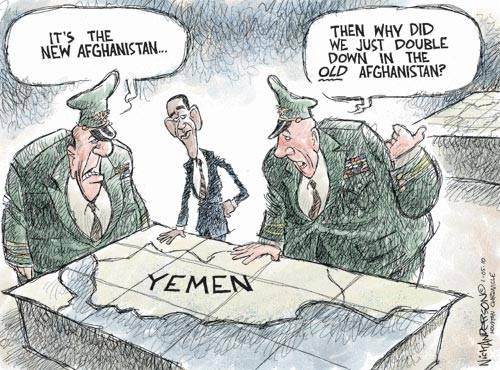
The bill introduced by a bipartisan group of House members last week to end the direct U.S. military role in the Saudi coalition war in Yemen guarantees that the House of Representatives will vote for the first time on the single most important element of U.S. involvement in the war — the refueling of Saudi coalition planes systematically bombing Yemeni civilian targets. Since the Obama administration gave the green light to the Saudi war of destruction in Yemen in March 2015, it has been widely recognized by both Congress and the news media that U.S. military personnel have been supplying the bombs used by Saudi coalition planes. But what has seldom been openly discussed is that the U.S. Air Force has been providing the mid-air refueling for every Saudi coalition bombing sortie in Yemen, without which the war would quickly grind to a halt… Refueling Saudi coalition bombing missions “not only makes the U.S. a party to the Yemen conflict, but could also lead to U.S. personnel being found complicit in coalition war crimes,” Kristine Beckerle, Yemen and UAE researcher at Human Rights Watch, has observed. More
Hayat writes:
If you have not already, please go to link in article below to take AN ACTION to stop the US-backed Saudi massacre in Yemen. Ask your congressperson to support H. Con. Res. 81. Finally we have a chance to do something about this cruel war affecting thousands. This resolution will be debated next week.
Tell your member of Congress they must vote to end US engagement in the war on Yemen. Tell them to join the other members in support of H. Con. Res. 81
You can tell your Member of Congress to co-sponsor this bill (H.Con.Res. 81)
So far only Capuano and McGovern have cosponsored from Mass.
No Good Reasons to Continue America’s Longest War in Afghanistan
The longest war in modern U.S. history approaches its 16th anniversarySaturday, and so far there is no end in sight… Afghan civilians are caught between corrupt, U.S.-backed warlords in government, U.S. troops on the ground and airstrikes from above, Taliban forces, and now an emerging Islamic State presence. The war has hardly improved their lives and will likely mean many more years of violence. TheRevolutionary Association of the Women of Afghanistan, the oldest women’s political organization in the country, warned 16 years ago against U.S. intervention… If reducing terrorism was its goal, the U.S. has spectacularly failed in Afghanistan and appears to not care one way or another. Aside from the terror it has rained down on Afghans year after year, U.S. presence there has only resulted in the Taliban gaining strength, the U.S.-backed government becoming more corrupt and the emergence of new formations based on fundamentalist ideologies. More
ANTI-NUCLEAR WEAPONS GROUP WINS NOBEL PEACE PRIZE
The Nobel Peace Prize has been awarded to the International Campaign to Abolish Nuclear Weapons (Ican). Berit Reiss-Andersen, the Nobel committee chair, said it was due to the group's "groundbreaking efforts to achieve a treaty prohibition" on nuclear weapons. "We live in a world where the risk of nuclear weapons being used is greater than it has been for a long time," she continued. She cited the North Korea issue. In July, after pressure from Ican, 122 nations backed a UN treaty designed to ban and eventually eliminate all nuclear weapons. But none of the nine known nuclear powers in the world - including the UK and the US - endorsed it. Ms Reiss-Andersen called on nuclear-armed states to initiate negotiations to gradually eliminate the weapons. More
US Plans New $1.5 Trillion Nuclear Weapons Complex
While much of the world pursues the abolition of nuclear weapons — embraced by the adoption July 7 by 122 nations of the Treaty on the Prohibition of Nuclear Weapons — the militarized Trump White House is pursuing plans for a trillion-dollar rebuild of the entire US nuclear weapons complex. The enormous, extravagant program is designed to produce 80 new nuclear warheads every year, including three new warhead types, a new $20 billion nuclear-armed Long Range Standoff (LRSO) weapon, a new $12 billion B61 nuclear gravity bomb, a new fleet of nuclear-armed submarines, and a new $100 billion intercontinental ballistic missile (ICBM) system.. As WallStreet.com online reported recently, “A review by the Arms Control Association, a nonpartisan, nuclear weapons watchdog, [found] the total 30-year cost of the program could rise to $1.5 trillion” — $500 billion beyond what the Obama Administration first proposed in 2016. Beyond the colossal expense, the program appears to be a flagrant violation of the Nuclear Non-Proliferation treaty. More
Subscribe to:
Posts (Atom)