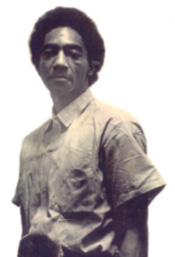
An Encore -Looking For The Heart Of Saturday Night, Christ The Heart Of Any Night-Elegy For Tom Waits

From the pen of the late Peter Paul Markin who fell by the wayside, fell to his notoriously monstrous “wanting habits” accumulated since childhood looking too hard, looking to hard in the wrong places down among the weeds in Mexico, looking for train smoke and dreams if you really thought about the matter, looking for his own heart of Saturday night-RIP, Brother,RIP.
******
If you, as I do, every once in a while, every once in a while when the norms of today’s bourgeois-driven push, bourgeois a better term than capitalist or imperialist if you are in America since it gives a better view of the unhindered social norms, the ethos rather than the sheer grab for filthy lucre; you know grab goods, grab the dough, grab every cheap-jack convenience like it was God’s own gold, grab some shelter from the storm, the storm that these days comes down like a hard rain falling, to get ahead in this wicked old world have to step back and take stock, maybe listen to some words of wisdom, or words that help explain how you got into that mess then you have come to the right address, the address of Mister Tom Waits if you missed the headline or missed who is writing this thing. (Or better "wrote" since this piece is being edited posthumously by Zack James who found this and three companion pieces in the attic of Josh Breslin's Olde Saco family house in Olde Saco, Maine when they were looking to dispose of whatever could be disposed of in preparation for selling the place so Josh and Lana could move into smaller quarters and Josh told him the long and at the end the sad story about Josh's and Markin's meeting out in San Francisco in the summer of love 1960s times and about Markin's awful fate down in Mexico. That story drove Zack to the editing job in order that a genuine mad monk writer could some forty years after his death receive a small recognition of his ambitious talent.)
Okay, okay on that bourgeois-driven today thing once I describe what was involved maybe it didn’t just start of late. Maybe the whole ill-starred rising went back to the time when this continent was, just like F. Scott Fitzgerald said way back in the 1920s when he made up the Jazz Age and reeled back in dismay once he saw how those coupon-clippers devoured all good sense and sober ethos, just a fresh green breast of land eyed by some hungry sailors, some hungry Dutch sailors who took what they wanted back the homeland and made a grave attempt to fatten their own chests. Just check out any Dutch master painting to see what I mean.
Going back to Calvinist Puritan avenging angels times with John Winthrop and the Mayflower boys and their city on the hill but you best ask Max Weber about that since he tried to hook these world-wise and world weary boys were no longer worrying about novenas and indulgences against some netherworld to the wheel of the capitalist profit. Profit (grab the dough, grab the goods, grab stuff cheap) for "you at the expense of me" system with the new dispensation coming out like hellfire from Geneva and points east and west. The eternal story of the short end of the stick if you aren’t ready for sociological treatises and rely on guys like Tom Waits to wordsmith the lyrics to set you right about what is wrong. But you get the point.
If all that to-ing and fro-ing (nice touch, right) leaves you wondering where you fell off the edge, that edge city (edge city where you danced around with all the conventions of the days, danced around the get ahead world, grab the dough, grab the goods, grab stuff cheap, with blinkers on before you got stuck in the human sink that you have still not been able to get out of) where big cloud outrageous youthful dreams were dreamt and you took risks, damn did you take risks, thought nothing of that fact either, landed on your ass more than a few times but just picked yourself up and dusted your knees off and done stick around and listen up. Yeah, so if you are wondering, have been pushed off your saintly wheels, yeah, pushed off your sainted wheels, and gotten yourself into some angst-ridden despair about where you went off that angel-driven dream of your youth, now faded, tattered, and half- forgotten(but only half, only half-forgotten, the wisp of the dream, the eternal peace dream, the figuring out how to contain that fire, that wanting habits fire in your belly dream sisters and brothers), and need some solace (need some way to stop the fret counting the coffee cups complete with spoons to measure that coffee out as the very modernist poet once said making his modern statement about the world created since the turn of the 19th century that while away your life). Need to reach back to roots, reach back to roots that the 1950s golden age of America, the vanilla red scare Cold War night that kicked the ass out of all the old to make us crave sameness, head down, run for cover, in order to forget about those old immigrant customs, made us forget those simple country blues, old country flames, Appalachia mountain breeze coming through the hills and hollows songs, lonely midnight by the fire cowboy ballads, Tex-Mex big ass brass sympatico squeezes Spanish is the loving tongue, Irish desperate struggles against John Bull sorrows and cautionary tale Child ballads, plucked out early by a professor over on Brattle Street back when the Brahmins very publicly ruled the roost, or Cajun Saturday night stewed drunks that made the people feel good times, reach back to the primeval forest maybe, put the headphones on some Tom Waits platter [oops, CD, YouTube selection, etc.- “platter” refers to a, ah, record, vinyl, put on a record player, hell, look it up in Wikipedia, okay-Zack James] and remember what it was like when men and women sang just to sing the truth of what they saw and heard.
If the norms of don’t rock the boat (not in these uncertain times like any times in human existence were certain, damn, there was always something scary coming up from the first man-eating beast to the human race-eating nuclear bombs, brother even I Iearned early that it was a dangerous world, yeah, learned very early in the Adamsville projects where you got a very real taste of danger before you got too much older than five or six), the norms of keep your head down (that’s right brother, that’s right sister keep looking down, no left or rights for your placid world), keeping your head down being an art form now with appropriate ritual (that ritual looking more and more like the firing squad that took old Juan Romero’s life when he did bad those days out in Utah country), and excuses, because, well, because you don’t want to wind up like them (and fill in the blank of the “them,” usually dark, very dark-skinned like some deathless, starless night disturbing your sleep, begging, I swear, begging you to put that gun in full view on the table, speaking some unknown language, maybe A-rab or I-talian, maybe gibberish for all you know, moving furtively and stealthily against your good night) drive you crazy and you need, desperately need, to listen to those ancient drum beats, those primeval forest leave droppings maybe, that old time embedded DNA coda long lost to, oh yes, civilization, to some civilizing mission (think of that Mayflower gang and that fresh green breast of land and that city on a hill that drove them cross-eyed and inflamed or ask Max Weber, he footnoted the whole thing, put paid to any idea of otherworldly virtue), that spoke of the better angels of your nature when those angel dreams, half-forgotten but only half-forgotten remember, ruled your days. Turn up the volume up another notch or two on that Tom Waits selection, maybe Jersey Girl or Brother, Can You Spare A Dime (can you?), Hold On, or Gunn Street Girl.
If you need to hear things, just to sort things out, just to recapture that angel-edge, recapture the time when you did no fear, you and everybody else’s sisters and brothers, that thing you build and from which you now should run, recapture that child-like wonder that made you come alive, made you think about from whence you came and how a turn, a slight turn this way or that, could have landed you on the wrong side of the fence. And I have the list of brothers and sisters who took that wrong road, like that time Jack from Carver wound up face down in some dusty back road arroyo down Sonora way when the deal went bust or when she, maybe a little kinky for all I know, decided that she would try a needle and a spoon, I swear, or she swore just for kicks and she wound up in Madame LaRue’s whorehouse working that sagging bed to perdition and worse losing that thing she had for sex once she started selling it by the hour. Hey, sweet dreams baby I tried to tell you when you play with fire watch out.
So if you need to sort things out about boozers (and about titanic booze-crazed struggles in barrooms, on beaches, in the back seats of cars, lost in the mist of time down some crazed midnight, hell, four in the morning, penniless, cab fare-less night), losers (those who have lost their way, those who had gotten it taken away from them like some maiden virginity, those who just didn’t get it frankly in this fast old world taken in by some grifter’s bluster), those who never had anything but lost next to their names, those who never had a way to be lost, dopesters inhaling sweet dream snow in solitary hotel rooms among junkie brethren, gathering a needle and spoon in some subterranean dank cellar, down in dark alleys jack-rolling some poor drunk stiff out of his room rent for kicks (how uncool to drink low-shelf whiskeys or rotgut wines hell the guy deserved to be rolled, should feel lucky he got away with just a flipped wallet), out in nighttime canyons flame blaring off the walls, the seven seas of chemical dust, mainly blotter, maybe peyote (the sweet dreams of ten million years of ghost warriors working the layered canyon walls flickering against the campfire flames and the sight of two modern warriors shirtless, sweaty, in a trance, high as kites, dancing by themselves like whirling dervishes ready to do justice for the white man's greed until the flames flickered out and they fell in a heap exhausted) if that earth angel connection comes through (Aunt Sally, always, some Aunt Sally coming up the stairs to ease the pain, to make one feel, no, not feel better than any AMA doctor without a prescription pad), creating visions of long lost tribes trying, trying like hell, to get “connected,” connected in the campfire shadow night, hipsters all dressed in black, mary mack dressed in black, speeding, speaking be-bop this and be-bop that to stay in fashion, hustling, always hustle, maybe pimping some street urchin, maybe cracking some guy’s head to create a “new world order” of the malignant, always moving, fallen sisters (sisters of mercy, sisters who need mercy, sisters who were mercifully made fallen in some mad dash night, merciful sister feed me, feed me good), midnight sifters (lifting in no particular order hubcaps, tires, wrenches, jacks, an occasional gem, some cheap jewelry in wrong neighborhoods, some paintings or whatever is not saleable left in some sneak back alley, it is the sifting that counts), grifters (hey, buddy watch this, now you see it, now you don’t, now you don’t see your long gone John dough, and Mister three card Monte long gone too ), drifters (here today gone tomorrow with or without dough, to Winnemucca, Ogden, Fresno, Frisco town, name your town, name your poison and the great big blue seas washing you clean out into the Japan seas), the drift-less (cramped into one room hovels, shelters, seedy rooming houses, hell, call them flop houses, afraid to stay in-doors or to go outside, afraid of the “them” too, afraid to be washed clean, angel clean), and small-time grafters (the ten-percent guys, failed insurance men, repo artists, bounty hunters, press agents, personal trainers, need I go on). You know where to look, right.
If you need to be refreshed on the subject of hoboes, bums, tramps (and remind me sometime to draw the distinction, the very real and acknowledged distinction between those three afore–mentioned classes of brethren once told to me by a forlorn grand master hobo, a guy down on his luck moving downward to bum), out in the railroad jungles in some Los Angeles ravine, some Gallup, New Mexico Southern Pacific trestle (the old SP the only way to travel out west if you want to get west), some Hoboken broken down pier (ha, shades of the last page of Jack Kerouac’s classic), the fallen (fallen outside the gates of Eden, or, hell, inside too), those who want to fall (and let god figure out who made who fall, okay), Spanish Johnnies (slicked back black hair, tee shirt, shiv, cigarette butt hanging from a parted lip, belt buckle ready for action, leering, leering at that girl over there, some gringa for a change of pace, maybe your girl but watch out for that shiv, the bastard), stale cigarette butts (from Spanish Johnnie and all the johnnies, Camels, Luckies, no filters, no way), whiskey-soaked barroom floors (and whiskey-soaked drunks to mop the damn place up, for drinks and donuts, maybe just for the drinks), loners (jesus, books, big academic books with great pedigrees could be written on that subject so let’s just let that one pass by), the lonely (ditto loners), sad sacks (kindred, one hundred times kindred to the loners and the lonely but not worthy of study, big book academic study anyway), the sad (encompassing all of the above) and others at the margins of society, the whole fellahin world (the big mass of world sweated field braceros, sharecroppers, landless peasants and now cold-water flat urban dwellers fresh from the played out land, or taken land) then Tom Waits is your stop.
Tom Waits is, frankly, an acquired taste, one listen will not do, one song will not do, but listen to a whole record [CD or download okay-Zack] and you won’t want to turn the thing off, high praise in anyone’s book, so a taste well worth acquiring as he storms heaven in words, in thought-out words, in cribbed, cramped, crumbled words, to express the pain, angst and anguish of modern living, yes, modern living.
See he ain’t looking for all haloed saints out there, some Saint Jerome spreading the word out to the desert tribes, out on the American mean streets he has pawed around the edges, maybe doesn’t believe in saints for all I know, but is out looking for busted black-hearted angels all dressed in some slinky silk thing to make a man, a high-shelf whiskey man having hustled some dough better left unexplained that night going off his moorings feeding her drinks and she a liquor sponge (who left him short one night in some unnamed, maybe nameless, gin mill when she split, after she split her take with the bartender who watered her drinks, hell, the thing was sweet all she needed to do when he leaned into her was grab his sorry ass and get the damn wallet). Looking too, a child of the pin-up playboy 1950s, for girls with Monroe hips (hips swaying wickedly in the dead air night, and enflaming desire, hell lust, getting kicked out of proper small town hells by descendants of those aforementioned Mayflower boys for promising the world for one forbidden night), got real, and got left for dead with cigar wrapping rings. Yeah, looking for the desperate out there who went off the righteous path and wound up too young face down in some forsaken woods who said she needed to hold on to something, and for all the misbegotten.
Tom Waits once you get the habit gives voice in song, a big task, to the kind of characters that peopled Nelson Algren’s novels (The Last Carousel, Neon Wilderness, Walk on the Wild Side, and The Man with the Golden Arm). The, frankly, white trash Okie/Arkie Dove Linkhorns and Frankie Machines of the world who had to keep moving just for the sake of moving something in the DNA driving that whirlwind, genetically broken before they begin, broken before they hit these shores (their forbears thrown out of Europe for venal crimes and lusts, pig-stealing, deer-pouching, working the commons without a license, highwaymen, ancient jack-rollers, the flotsam and jetsam of the old world, damn them, the master-less men and women, ask old Max about them too), having been chased out, cast out of Europe, or some such place. In short, the people who do not make revolutions, those revolutions we keep hearing and reading about, far from it, the wretched of the earth and their kin, the ones who the old blessed Paris communards were thinking of when they hanged a sign saying “Death to Thieves” from the Hotel de Ville balcony, but those who surely, and desperately could use one. If you want to hear about those desperate brethren then here is your stop as well.
If, additionally, you need a primordial grizzled gravelly voice to attune your ear to the scratchy earth and some occasional dissonant instrumentation to round out the picture go no further. Hey, let’s leave it at this- if you need someone who “feels your pain” for his characters you are home. Keep looking for the heart of Saturday night, Brother, keep looking.

From the pen of the late Peter Paul Markin who fell by the wayside, fell to his notoriously monstrous “wanting habits” accumulated since childhood looking too hard, looking to hard in the wrong places down among the weeds in Mexico, looking for train smoke and dreams if you really thought about the matter, looking for his own heart of Saturday night-RIP, Brother,RIP.
If you, as I do, every once in a while, every once in a while when the norms of today’s bourgeois-driven push, bourgeois a better term than capitalist or imperialist if you are in America since it gives a better view of the unhindered social norms, the ethos rather than the sheer grab for filthy lucre; you know grab goods, grab the dough, grab every cheap-jack convenience like it was God’s own gold, grab some shelter from the storm, the storm that these days comes down like a hard rain falling, to get ahead in this wicked old world have to step back and take stock, maybe listen to some words of wisdom, or words that help explain how you got into that mess then you have come to the right address, the address of Mister Tom Waits if you missed the headline or missed who is writing this thing. (Or better "wrote" since this piece is being edited posthumously by Zack James who found this and three companion pieces in the attic of Josh Breslin's Olde Saco family house in Olde Saco, Maine when they were looking to dispose of whatever could be disposed of in preparation for selling the place so Josh and Lana could move into smaller quarters and Josh told him the long and at the end the sad story about Josh's and Markin's meeting out in San Francisco in the summer of love 1960s times and about Markin's awful fate down in Mexico. That story drove Zack to the editing job in order that a genuine mad monk writer could some forty years after his death receive a small recognition of his ambitious talent.)
Okay, okay on that bourgeois-driven today thing once I describe what was involved maybe it didn’t just start of late. Maybe the whole ill-starred rising went back to the time when this continent was, just like F. Scott Fitzgerald said way back in the 1920s when he made up the Jazz Age and reeled back in dismay once he saw how those coupon-clippers devoured all good sense and sober ethos, just a fresh green breast of land eyed by some hungry sailors, some hungry Dutch sailors who took what they wanted back the homeland and made a grave attempt to fatten their own chests. Just check out any Dutch master painting to see what I mean.
Going back to Calvinist Puritan avenging angels times with John Winthrop and the Mayflower boys and their city on the hill but you best ask Max Weber about that since he tried to hook these world-wise and world weary boys were no longer worrying about novenas and indulgences against some netherworld to the wheel of the capitalist profit. Profit (grab the dough, grab the goods, grab stuff cheap) for "you at the expense of me" system with the new dispensation coming out like hellfire from Geneva and points east and west. The eternal story of the short end of the stick if you aren’t ready for sociological treatises and rely on guys like Tom Waits to wordsmith the lyrics to set you right about what is wrong. But you get the point.
If all that to-ing and fro-ing (nice touch, right) leaves you wondering where you fell off the edge, that edge city (edge city where you danced around with all the conventions of the days, danced around the get ahead world, grab the dough, grab the goods, grab stuff cheap, with blinkers on before you got stuck in the human sink that you have still not been able to get out of) where big cloud outrageous youthful dreams were dreamt and you took risks, damn did you take risks, thought nothing of that fact either, landed on your ass more than a few times but just picked yourself up and dusted your knees off and done stick around and listen up. Yeah, so if you are wondering, have been pushed off your saintly wheels, yeah, pushed off your sainted wheels, and gotten yourself into some angst-ridden despair about where you went off that angel-driven dream of your youth, now faded, tattered, and half- forgotten(but only half, only half-forgotten, the wisp of the dream, the eternal peace dream, the figuring out how to contain that fire, that wanting habits fire in your belly dream sisters and brothers), and need some solace (need some way to stop the fret counting the coffee cups complete with spoons to measure that coffee out as the very modernist poet once said making his modern statement about the world created since the turn of the 19th century that while away your life). Need to reach back to roots, reach back to roots that the 1950s golden age of America, the vanilla red scare Cold War night that kicked the ass out of all the old to make us crave sameness, head down, run for cover, in order to forget about those old immigrant customs, made us forget those simple country blues, old country flames, Appalachia mountain breeze coming through the hills and hollows songs, lonely midnight by the fire cowboy ballads, Tex-Mex big ass brass sympatico squeezes Spanish is the loving tongue, Irish desperate struggles against John Bull sorrows and cautionary tale Child ballads, plucked out early by a professor over on Brattle Street back when the Brahmins very publicly ruled the roost, or Cajun Saturday night stewed drunks that made the people feel good times, reach back to the primeval forest maybe, put the headphones on some Tom Waits platter [oops, CD, YouTube selection, etc.- “platter” refers to a, ah, record, vinyl, put on a record player, hell, look it up in Wikipedia, okay-Zack James] and remember what it was like when men and women sang just to sing the truth of what they saw and heard.
If the norms of don’t rock the boat (not in these uncertain times like any times in human existence were certain, damn, there was always something scary coming up from the first man-eating beast to the human race-eating nuclear bombs, brother even I Iearned early that it was a dangerous world, yeah, learned very early in the Adamsville projects where you got a very real taste of danger before you got too much older than five or six), the norms of keep your head down (that’s right brother, that’s right sister keep looking down, no left or rights for your placid world), keeping your head down being an art form now with appropriate ritual (that ritual looking more and more like the firing squad that took old Juan Romero’s life when he did bad those days out in Utah country), and excuses, because, well, because you don’t want to wind up like them (and fill in the blank of the “them,” usually dark, very dark-skinned like some deathless, starless night disturbing your sleep, begging, I swear, begging you to put that gun in full view on the table, speaking some unknown language, maybe A-rab or I-talian, maybe gibberish for all you know, moving furtively and stealthily against your good night) drive you crazy and you need, desperately need, to listen to those ancient drum beats, those primeval forest leave droppings maybe, that old time embedded DNA coda long lost to, oh yes, civilization, to some civilizing mission (think of that Mayflower gang and that fresh green breast of land and that city on a hill that drove them cross-eyed and inflamed or ask Max Weber, he footnoted the whole thing, put paid to any idea of otherworldly virtue), that spoke of the better angels of your nature when those angel dreams, half-forgotten but only half-forgotten remember, ruled your days. Turn up the volume up another notch or two on that Tom Waits selection, maybe Jersey Girl or Brother, Can You Spare A Dime (can you?), Hold On, or Gunn Street Girl.
If you need to hear things, just to sort things out, just to recapture that angel-edge, recapture the time when you did no fear, you and everybody else’s sisters and brothers, that thing you build and from which you now should run, recapture that child-like wonder that made you come alive, made you think about from whence you came and how a turn, a slight turn this way or that, could have landed you on the wrong side of the fence. And I have the list of brothers and sisters who took that wrong road, like that time Jack from Carver wound up face down in some dusty back road arroyo down Sonora way when the deal went bust or when she, maybe a little kinky for all I know, decided that she would try a needle and a spoon, I swear, or she swore just for kicks and she wound up in Madame LaRue’s whorehouse working that sagging bed to perdition and worse losing that thing she had for sex once she started selling it by the hour. Hey, sweet dreams baby I tried to tell you when you play with fire watch out.
So if you need to sort things out about boozers (and about titanic booze-crazed struggles in barrooms, on beaches, in the back seats of cars, lost in the mist of time down some crazed midnight, hell, four in the morning, penniless, cab fare-less night), losers (those who have lost their way, those who had gotten it taken away from them like some maiden virginity, those who just didn’t get it frankly in this fast old world taken in by some grifter’s bluster), those who never had anything but lost next to their names, those who never had a way to be lost, dopesters inhaling sweet dream snow in solitary hotel rooms among junkie brethren, gathering a needle and spoon in some subterranean dank cellar, down in dark alleys jack-rolling some poor drunk stiff out of his room rent for kicks (how uncool to drink low-shelf whiskeys or rotgut wines hell the guy deserved to be rolled, should feel lucky he got away with just a flipped wallet), out in nighttime canyons flame blaring off the walls, the seven seas of chemical dust, mainly blotter, maybe peyote (the sweet dreams of ten million years of ghost warriors working the layered canyon walls flickering against the campfire flames and the sight of two modern warriors shirtless, sweaty, in a trance, high as kites, dancing by themselves like whirling dervishes ready to do justice for the white man's greed until the flames flickered out and they fell in a heap exhausted) if that earth angel connection comes through (Aunt Sally, always, some Aunt Sally coming up the stairs to ease the pain, to make one feel, no, not feel better than any AMA doctor without a prescription pad), creating visions of long lost tribes trying, trying like hell, to get “connected,” connected in the campfire shadow night, hipsters all dressed in black, mary mack dressed in black, speeding, speaking be-bop this and be-bop that to stay in fashion, hustling, always hustle, maybe pimping some street urchin, maybe cracking some guy’s head to create a “new world order” of the malignant, always moving, fallen sisters (sisters of mercy, sisters who need mercy, sisters who were mercifully made fallen in some mad dash night, merciful sister feed me, feed me good), midnight sifters (lifting in no particular order hubcaps, tires, wrenches, jacks, an occasional gem, some cheap jewelry in wrong neighborhoods, some paintings or whatever is not saleable left in some sneak back alley, it is the sifting that counts), grifters (hey, buddy watch this, now you see it, now you don’t, now you don’t see your long gone John dough, and Mister three card Monte long gone too ), drifters (here today gone tomorrow with or without dough, to Winnemucca, Ogden, Fresno, Frisco town, name your town, name your poison and the great big blue seas washing you clean out into the Japan seas), the drift-less (cramped into one room hovels, shelters, seedy rooming houses, hell, call them flop houses, afraid to stay in-doors or to go outside, afraid of the “them” too, afraid to be washed clean, angel clean), and small-time grafters (the ten-percent guys, failed insurance men, repo artists, bounty hunters, press agents, personal trainers, need I go on). You know where to look, right.
If you need to be refreshed on the subject of hoboes, bums, tramps (and remind me sometime to draw the distinction, the very real and acknowledged distinction between those three afore–mentioned classes of brethren once told to me by a forlorn grand master hobo, a guy down on his luck moving downward to bum), out in the railroad jungles in some Los Angeles ravine, some Gallup, New Mexico Southern Pacific trestle (the old SP the only way to travel out west if you want to get west), some Hoboken broken down pier (ha, shades of the last page of Jack Kerouac’s classic), the fallen (fallen outside the gates of Eden, or, hell, inside too), those who want to fall (and let god figure out who made who fall, okay), Spanish Johnnies (slicked back black hair, tee shirt, shiv, cigarette butt hanging from a parted lip, belt buckle ready for action, leering, leering at that girl over there, some gringa for a change of pace, maybe your girl but watch out for that shiv, the bastard), stale cigarette butts (from Spanish Johnnie and all the johnnies, Camels, Luckies, no filters, no way), whiskey-soaked barroom floors (and whiskey-soaked drunks to mop the damn place up, for drinks and donuts, maybe just for the drinks), loners (jesus, books, big academic books with great pedigrees could be written on that subject so let’s just let that one pass by), the lonely (ditto loners), sad sacks (kindred, one hundred times kindred to the loners and the lonely but not worthy of study, big book academic study anyway), the sad (encompassing all of the above) and others at the margins of society, the whole fellahin world (the big mass of world sweated field braceros, sharecroppers, landless peasants and now cold-water flat urban dwellers fresh from the played out land, or taken land) then Tom Waits is your stop.
Tom Waits is, frankly, an acquired taste, one listen will not do, one song will not do, but listen to a whole record [CD or download okay-Zack] and you won’t want to turn the thing off, high praise in anyone’s book, so a taste well worth acquiring as he storms heaven in words, in thought-out words, in cribbed, cramped, crumbled words, to express the pain, angst and anguish of modern living, yes, modern living.
See he ain’t looking for all haloed saints out there, some Saint Jerome spreading the word out to the desert tribes, out on the American mean streets he has pawed around the edges, maybe doesn’t believe in saints for all I know, but is out looking for busted black-hearted angels all dressed in some slinky silk thing to make a man, a high-shelf whiskey man having hustled some dough better left unexplained that night going off his moorings feeding her drinks and she a liquor sponge (who left him short one night in some unnamed, maybe nameless, gin mill when she split, after she split her take with the bartender who watered her drinks, hell, the thing was sweet all she needed to do when he leaned into her was grab his sorry ass and get the damn wallet). Looking too, a child of the pin-up playboy 1950s, for girls with Monroe hips (hips swaying wickedly in the dead air night, and enflaming desire, hell lust, getting kicked out of proper small town hells by descendants of those aforementioned Mayflower boys for promising the world for one forbidden night), got real, and got left for dead with cigar wrapping rings. Yeah, looking for the desperate out there who went off the righteous path and wound up too young face down in some forsaken woods who said she needed to hold on to something, and for all the misbegotten.
Tom Waits once you get the habit gives voice in song, a big task, to the kind of characters that peopled Nelson Algren’s novels (The Last Carousel, Neon Wilderness, Walk on the Wild Side, and The Man with the Golden Arm). The, frankly, white trash Okie/Arkie Dove Linkhorns and Frankie Machines of the world who had to keep moving just for the sake of moving something in the DNA driving that whirlwind, genetically broken before they begin, broken before they hit these shores (their forbears thrown out of Europe for venal crimes and lusts, pig-stealing, deer-pouching, working the commons without a license, highwaymen, ancient jack-rollers, the flotsam and jetsam of the old world, damn them, the master-less men and women, ask old Max about them too), having been chased out, cast out of Europe, or some such place. In short, the people who do not make revolutions, those revolutions we keep hearing and reading about, far from it, the wretched of the earth and their kin, the ones who the old blessed Paris communards were thinking of when they hanged a sign saying “Death to Thieves” from the Hotel de Ville balcony, but those who surely, and desperately could use one. If you want to hear about those desperate brethren then here is your stop as well.
If, additionally, you need a primordial grizzled gravelly voice to attune your ear to the scratchy earth and some occasional dissonant instrumentation to round out the picture go no further. Hey, let’s leave it at this- if you need someone who “feels your pain” for his characters you are home. Keep looking for the heart of Saturday night, Brother, keep looking.